SEPTEMBER 2026 · LATEST CHAPTER

Whisper-quiet.
On a real roof.

GIVARA ONE is our rooftop wind turbine. This page is its build, month by month.

Our first pilot machine, spinning on a rooftop. Turn the sound on — judged by ear.

  • FIRST ROOF SPIN · 17 SEP
  • ROOF WIND LOGGING STARTED · 29 SEP
  • OCT’S CHAPTER · EARLY NOV
September’s photos and clips
TURN THE SOUND ON
0:00

Phone audio, open rooftop.

September’s photos and clips
WE SAID · WE DID

We said it in August.
Here’s what happened.

  1. WE SAID · AUG

    SEP · TO THE FIELD

    WE DID · SEP

    First spin on a real roof · 17 Sep

    DONE
  2. WE SAID · AUG

    SEP–OCT · NEARLY WHISPER-QUIET → WHISPER-QUIET

    WE DID · SEP

    Whisper-quiet on the roof · listen above

    DONE
  3. WE SAID · AUG

    EVERY DAY · A MACHINE THAT WASTES LESS WIND

    SO FAR · SEP

    79 → 95 RPM on the bench, first machine to second · the work goes on

    IN PROGRESS
NOW AIMING FORCHECKED IN OCT’S CHAPTER · EARLY NOV
  • OCT · GENERATOR ON THE ROOF MACHINE
  • OCT · A FULL MONTH OF ROOF WIND DATA
SAME BENCH · SAME FAN · ROTOR ONLY, NO GENERATOR LOAD

64 → 79 → 95RPMSame bench. Same fan.

JUL → SEP64JULFIRST MACHINE79AUGFIRST MACHINE95SEPSECOND MACHINEMACHINE CHANGE+15+16JUL → SEP64JULFIRST MACHINE79AUGFIRST MACHINE95SEPSECOND MACHINEMACHINE CHANGE+15+16
WORKSHOP FAN ≈4–4.5 m/sabout 14–16 km/h

Bench laser-tachometer, workshop fan. Not a field figure — the power curve is still being built.

One continuous take each: the machine spinning first, then the meter reading it.

AUGUSTFIRST MACHINE79 RPM

LASER TACHOMETER ON THE BENCH · FIRST MACHINE · 79 RPM · AUGUST 2026

SEPTEMBERSECOND MACHINE95 RPM

LASER TACHOMETER ON THE BENCH · SECOND MACHINE · 95 RPM · SEPTEMBER 2026
THE OTHER SIDE OF THE LEDGER

What we haven’t proven yet.

Each one leaves this list the month it’s real.

  • No generator on the roof machine yet
  • No power curve yet
  • No field generation figure yet
REWIND · HOW IT GOT HERE

How GIVARA ONE was built, month by month

Oldest first. The misses stay in.

Line drawings on paper cards come from our design applications, filed to protect the machine’s shape.

The generator that did not deliver.

An imported generator arrived — sold as far stronger than it ever proved, even spun by a drill at impractical speeds.
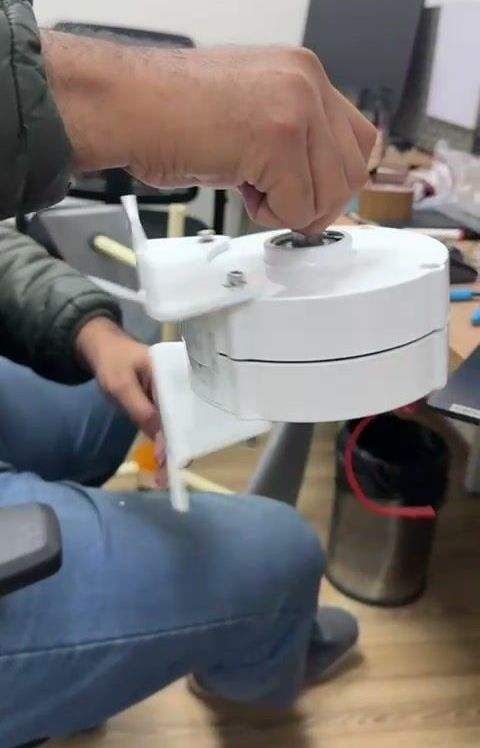
Hands holding the small imported generator at a desk: a white housing on a stub of shaft.
THE IMPORTED GENERATOR · JANUARY 2026
See all of January

Things go wrong; we show those too. It is why August is about winding our own.

Patterns drawn by hand.

Blade curves marked on numbered boards, cut on the street at dusk.
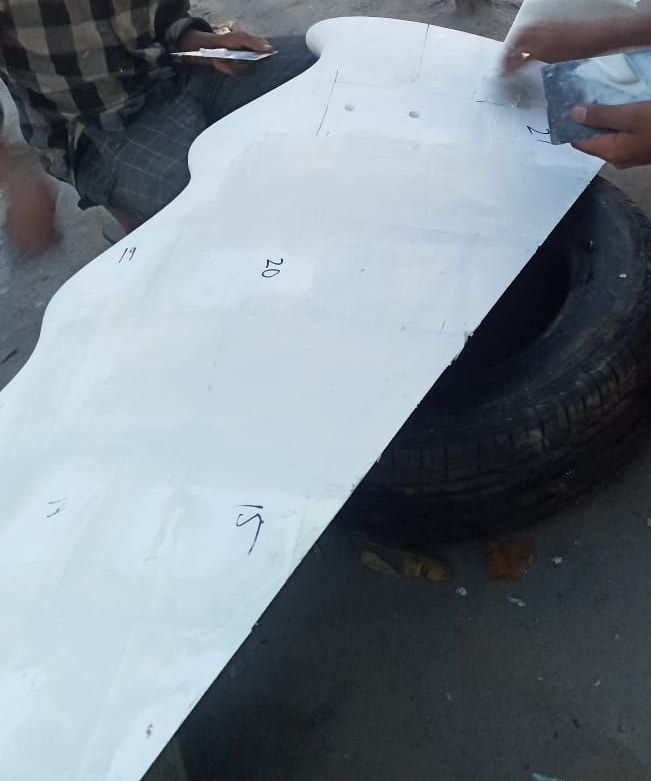
A numbered white template board for the blade curve, marked and cut on a tyre at the roadside at dusk.
BLADE TEMPLATES · MARCH 2026
See all of March

Fabrication begins. The first design application is filed.
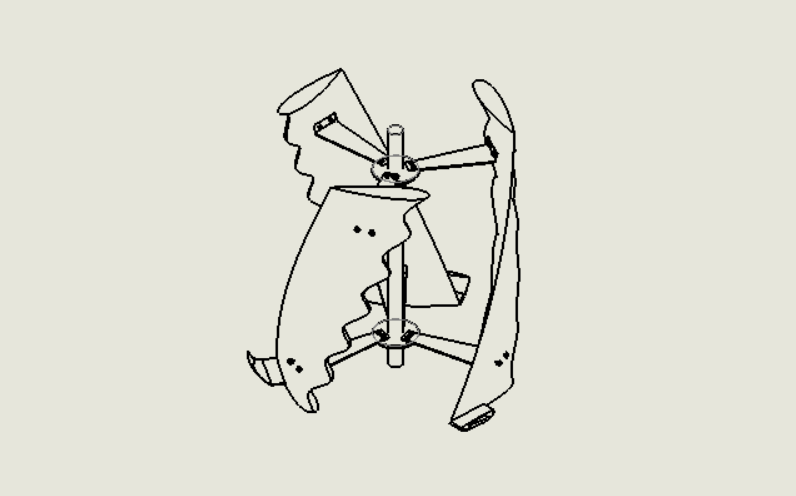
DESIGN APPLICATION
Line drawing of the outer rotor seen at an angle, blades curving around a central shaft.
THE OUTER ROTOR · AS DRAWN FOR THE MARCH DESIGN APPLICATION

The first blade out of the mould.

Three moulds arrive wrapped. One blade comes out white and wavy.
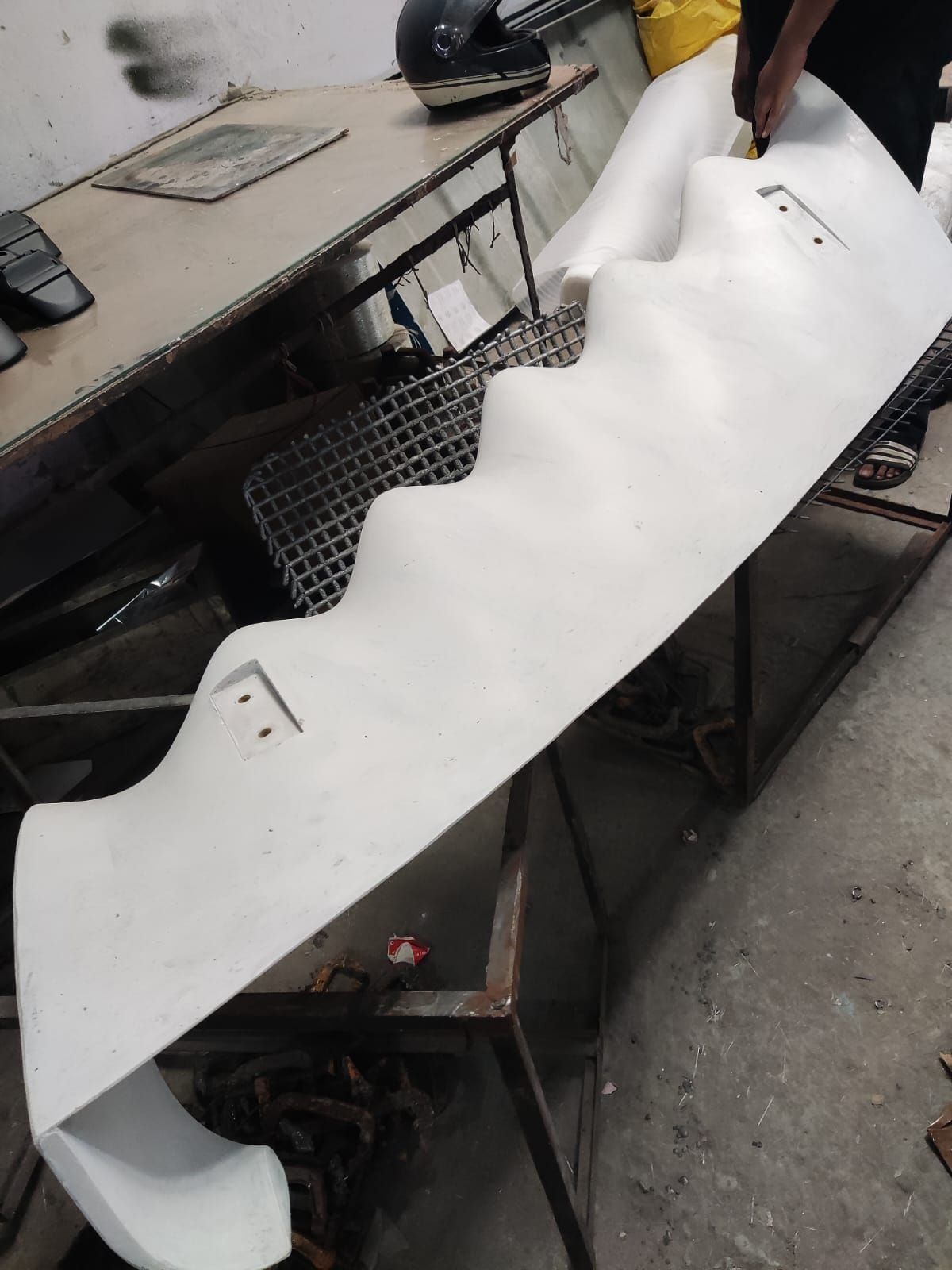
The first white composite blade lying on a workshop bench, its wavy edge catching the light.
FIRST BLADE OUT OF THE MOULD · APRIL 2026
See all of April

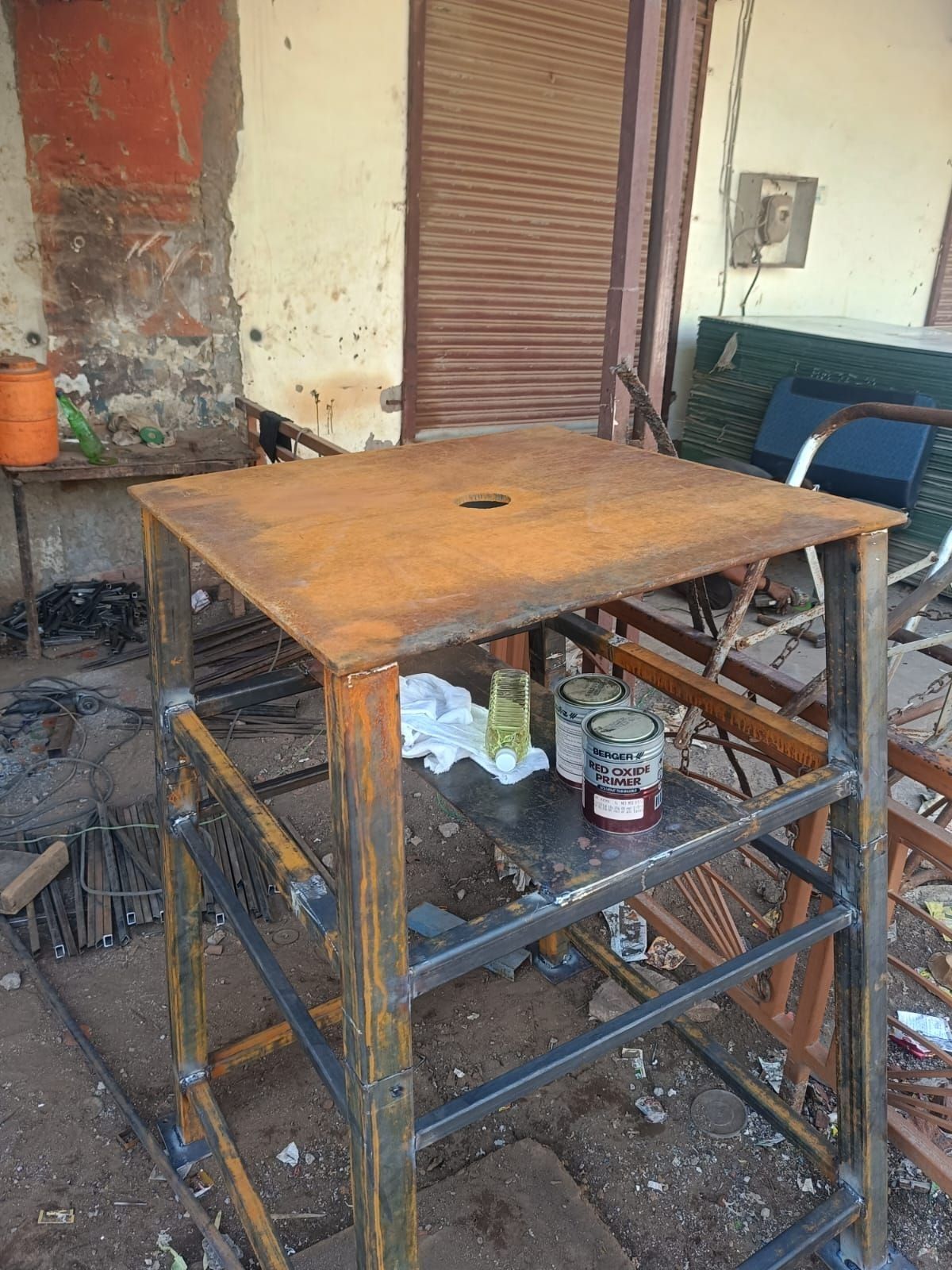
The stand is welded on the pavement outside a steel shop.
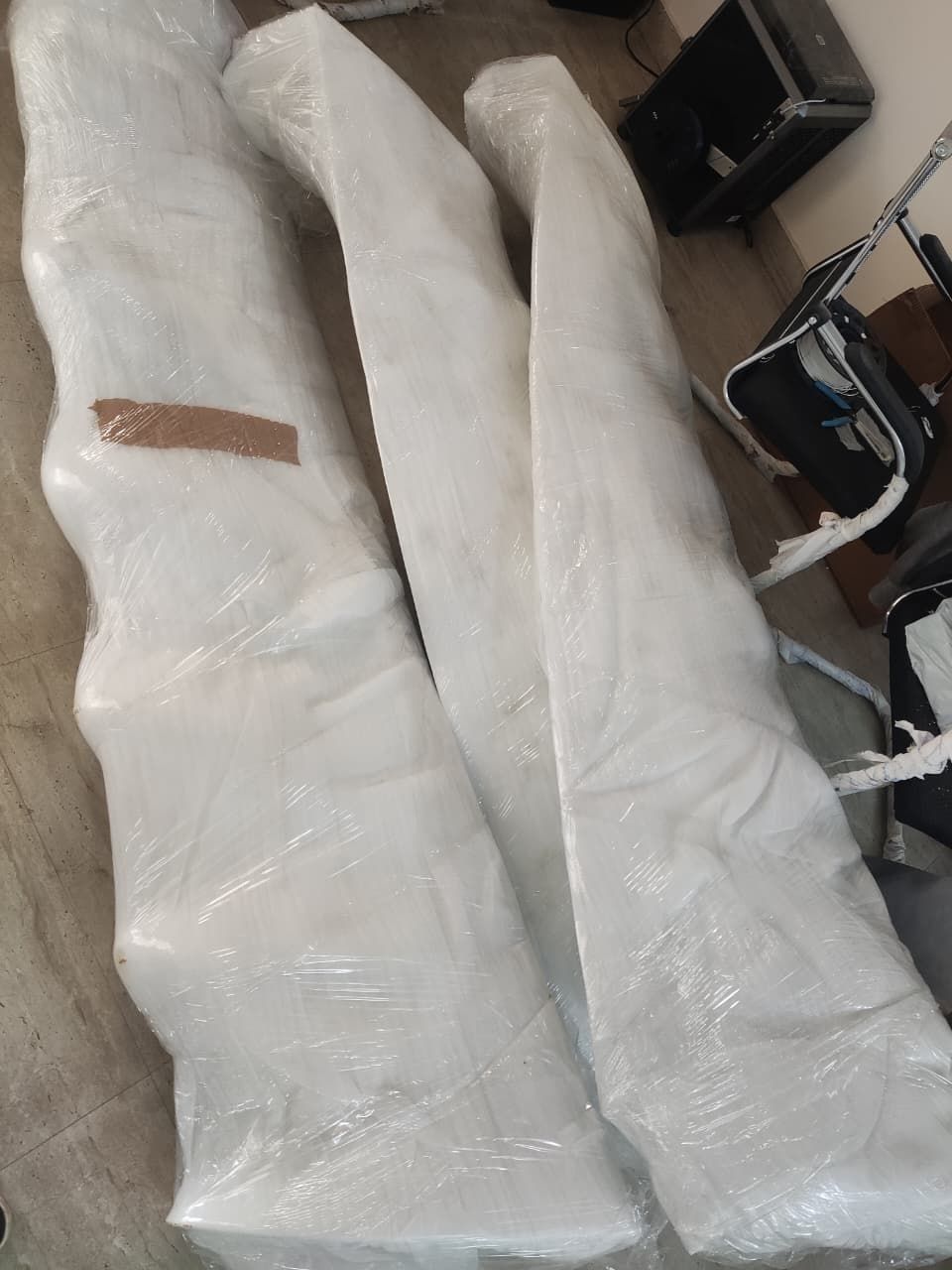
Three blade moulds still in shrink wrap, lying side by side on the workshop floor.
THREE MOULDS, DELIVERED · APRIL 2026
The welded steel stand outside the fabrication shop, tins of red-oxide primer on its lower shelf.
THE STAND, WELDED · APRIL 2026

The stand goes up.

A full-size mast, a three-arm bracket, blade shells waiting.
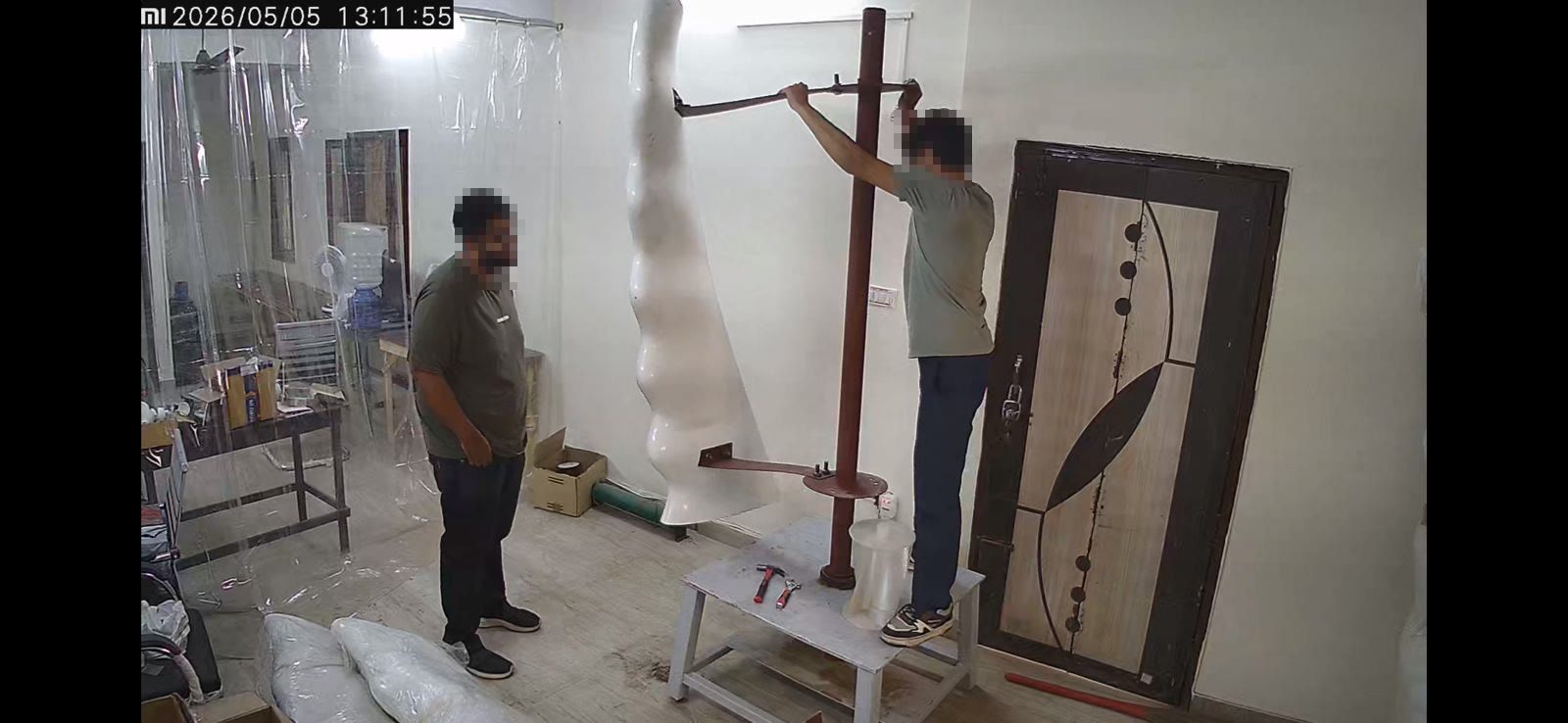
Workshop CCTV frame of two people raising the turbine stand pole, faces masked.
WORKSHOP CCTV · MAY 2026
See all of May

First physical rotation on the bench.
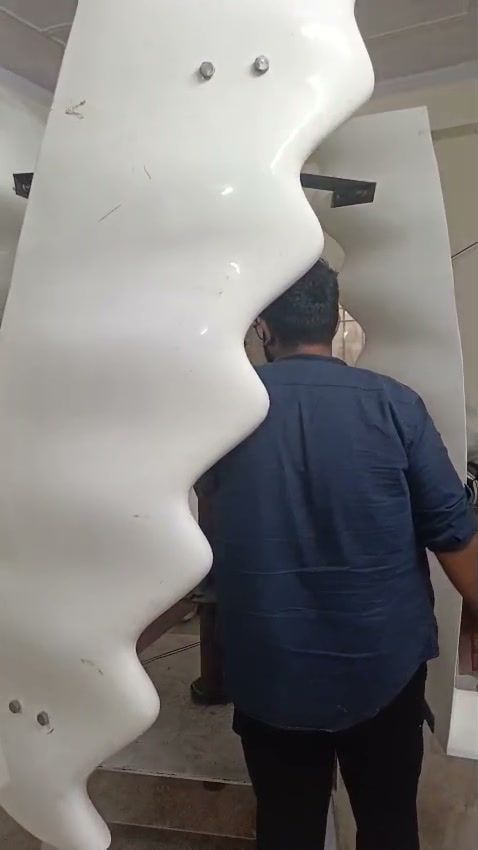
Full-size white blade shells standing in the workshop, a team member walking between them, back to camera.
BLADE SHELLS, FULL SIZE · MAY 2026

The busiest month.

Hub parts machined. The coupler fitted for the first time.

OUTER BLADES ON THE MAST, TURNING · JUNE 2026
See all of June

Blades hung one by one at dusk. Second design application filed.
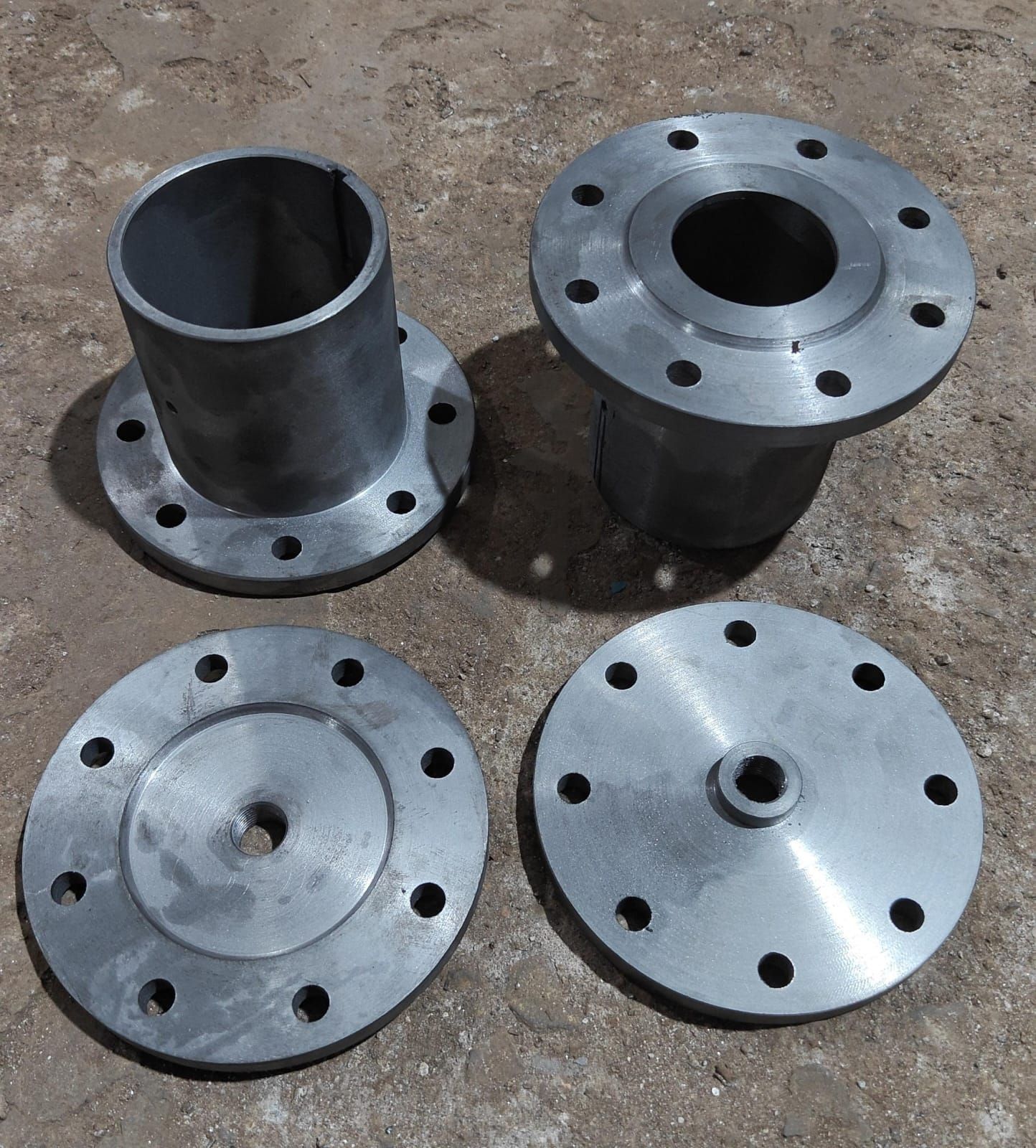
Four machined hub and flange parts laid out on the ground.
MACHINED HUB PARTS · JUNE 2026
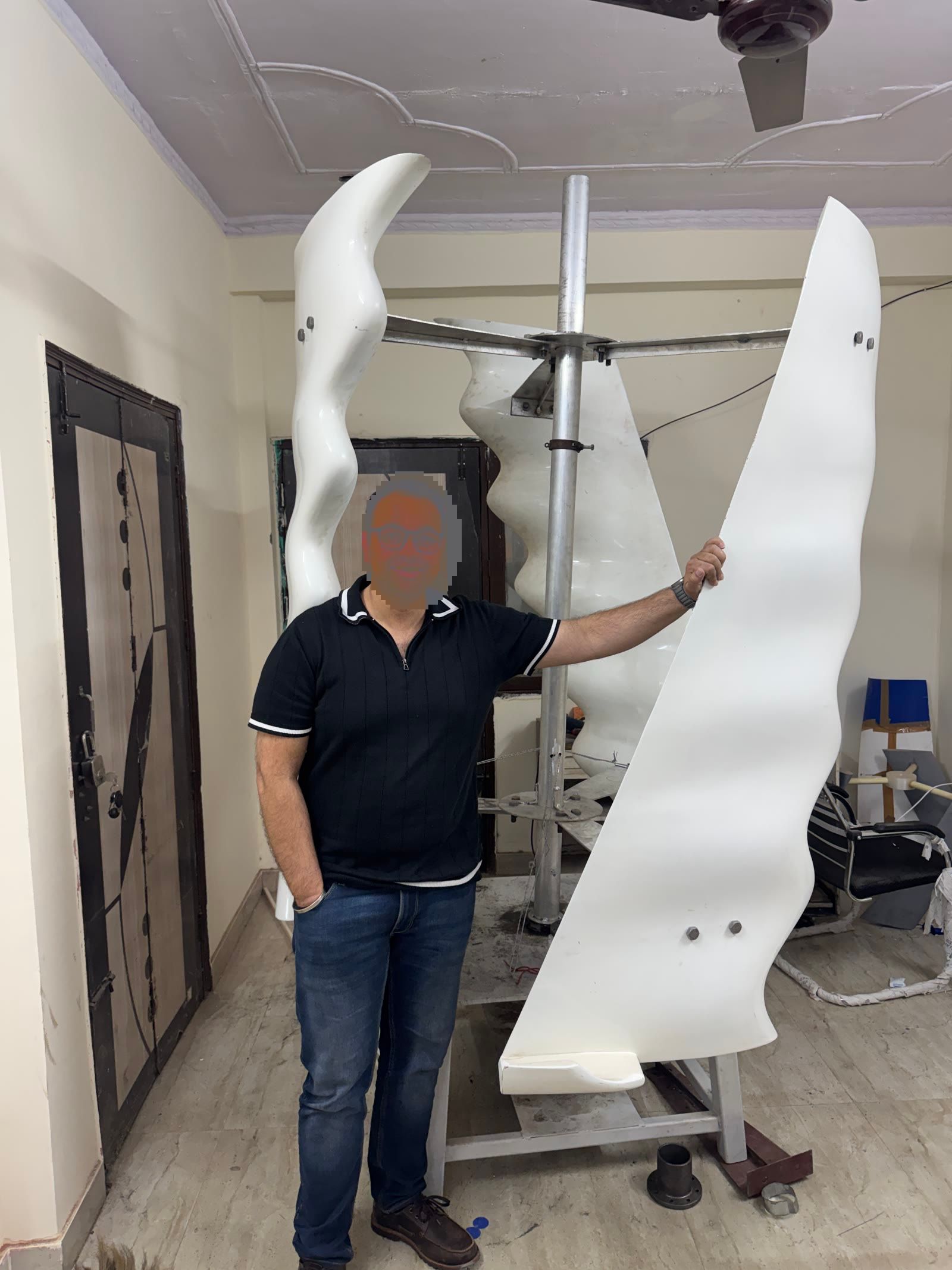
A person holds a full-size white blade overhead with one hand, giving its true scale, face blurred.
A BLADE, HUMAN-SCALE · JUNE 2026
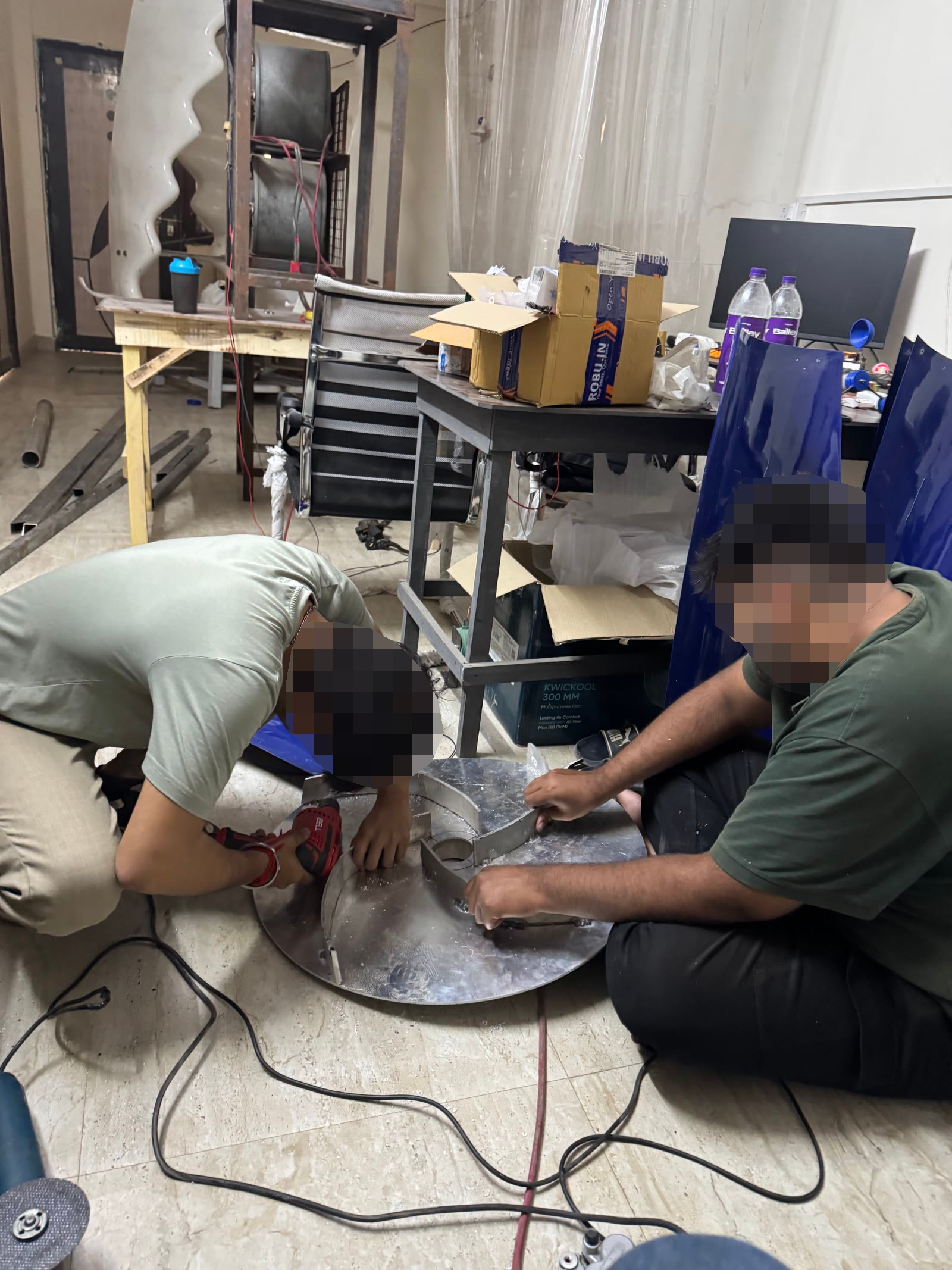
Two people drilling the aluminium rotor plate on the workshop floor, faces blurred.
THE ROTOR PLATE · JUNE 2026
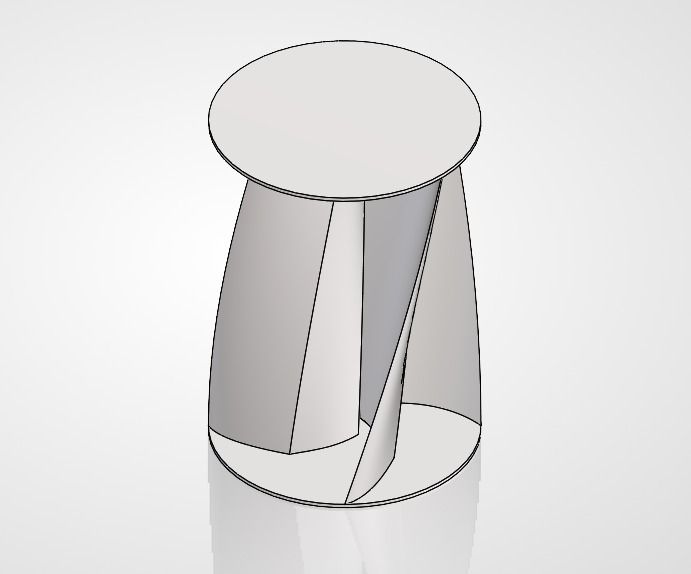
DESIGN APPLICATION
Line drawing of the inner rotor in perspective, twisted vanes forming a drum.
THE INNER ROTOR · AS DRAWN FOR THE JUNE DESIGN APPLICATION

First full assembly. It spins.

Both rotors on one shaft, inside the steel test rig.

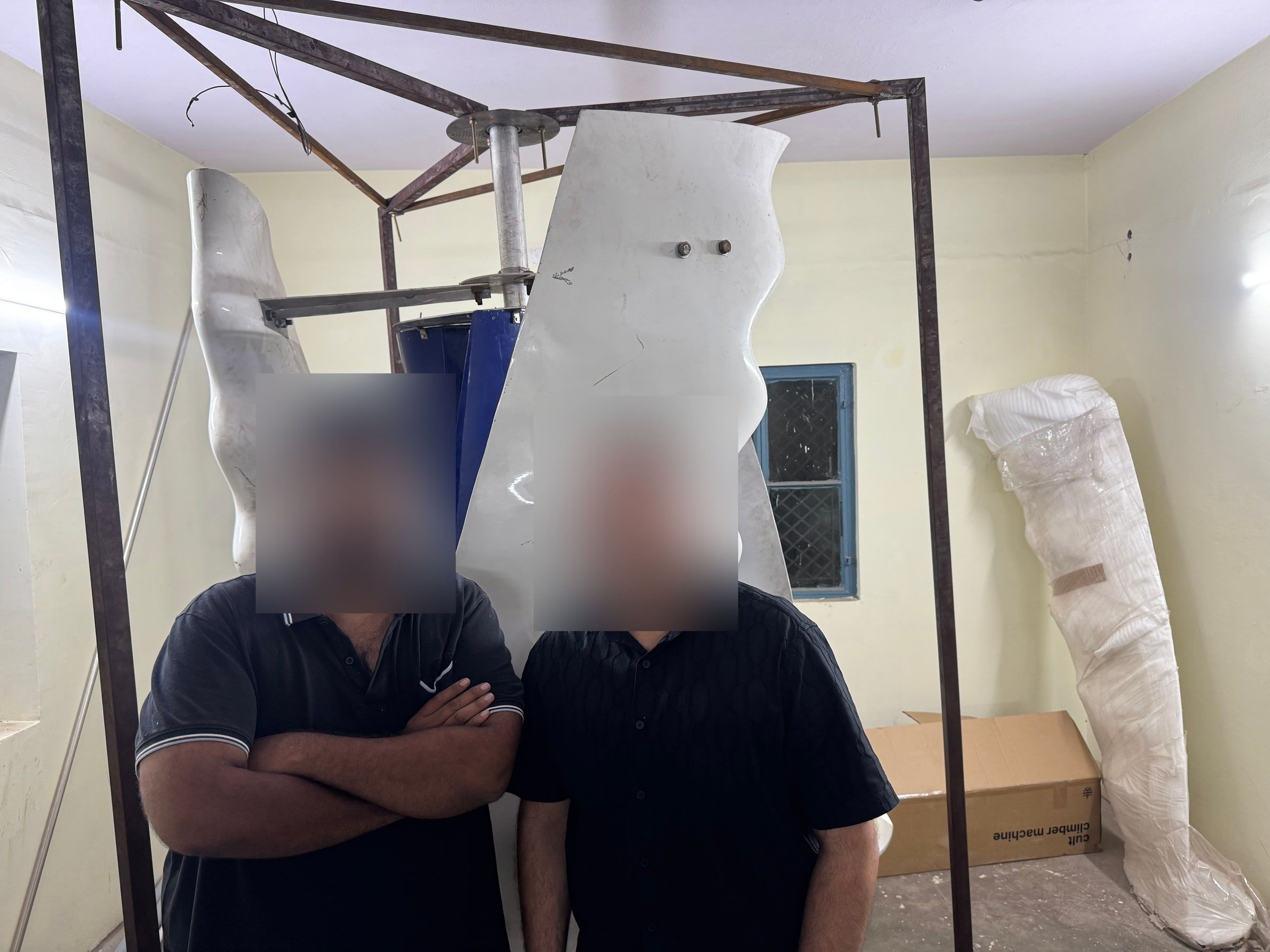
Under the workshop fan, the rotor alone reads 64 RPM. A short run on a market-bought generator was also tried. Third design application filed.
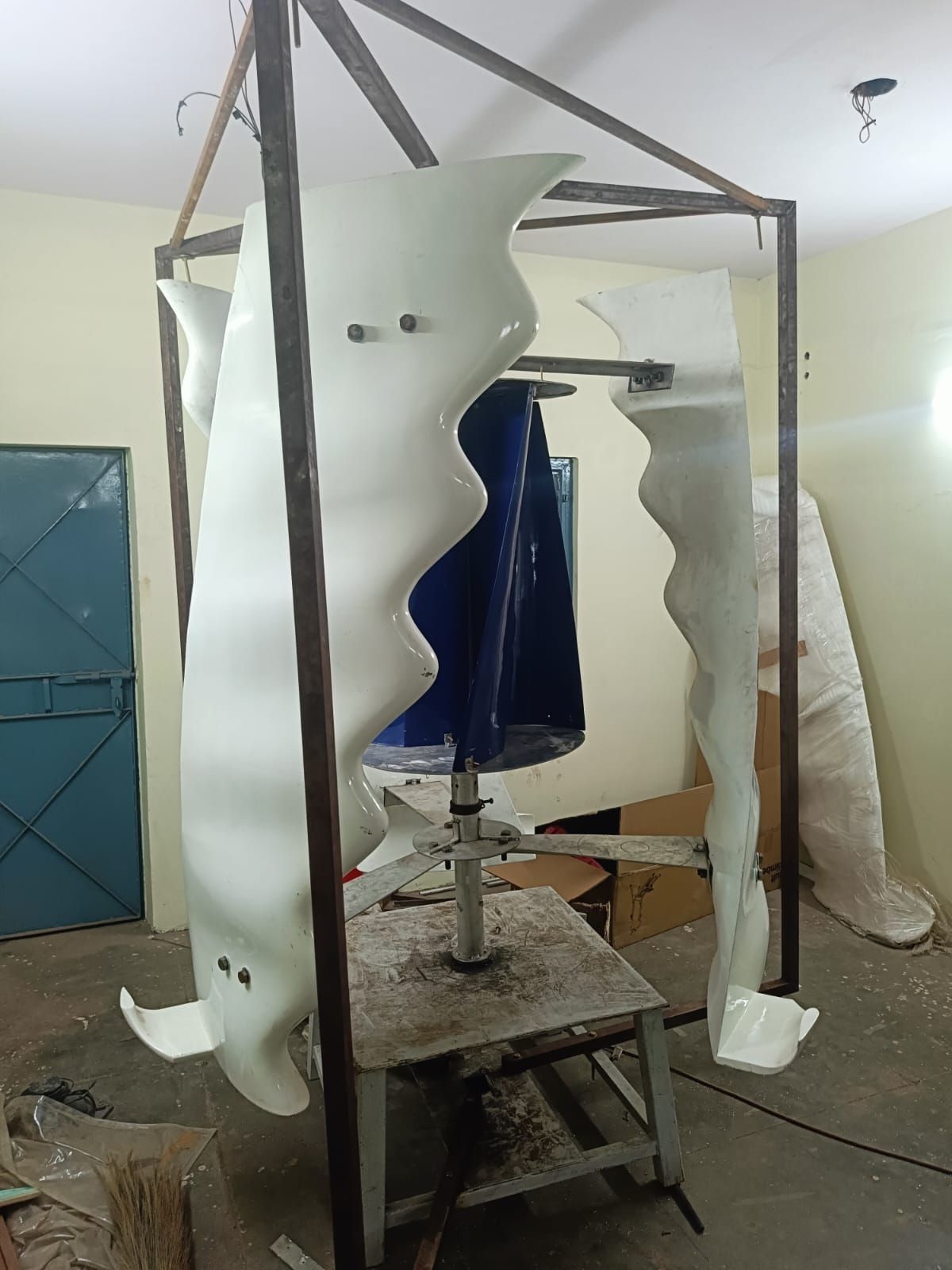
SPIN TEST IN THE RIG · JULY 2026
The full-size machine standing still in its steel test frame, both rotors on one shaft.
FIRST FULL ASSEMBLY · JULY 2026
Two of the team standing in front of the first full assembly inside its steel rig, faces blurred.
BESIDE THE FIRST FULL ASSEMBLY · JULY 2026
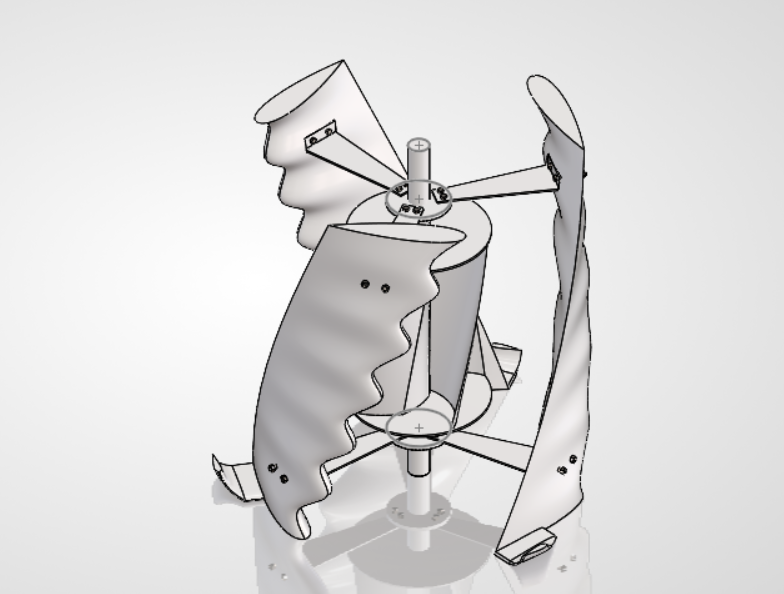
DESIGN APPLICATION
Line drawing of both rotors mounted concentrically on a single shaft, seen at an angle.
BOTH ROTORS ON ONE SHAFT · AS DRAWN FOR THE JULY DESIGN APPLICATION

Building our own generator.

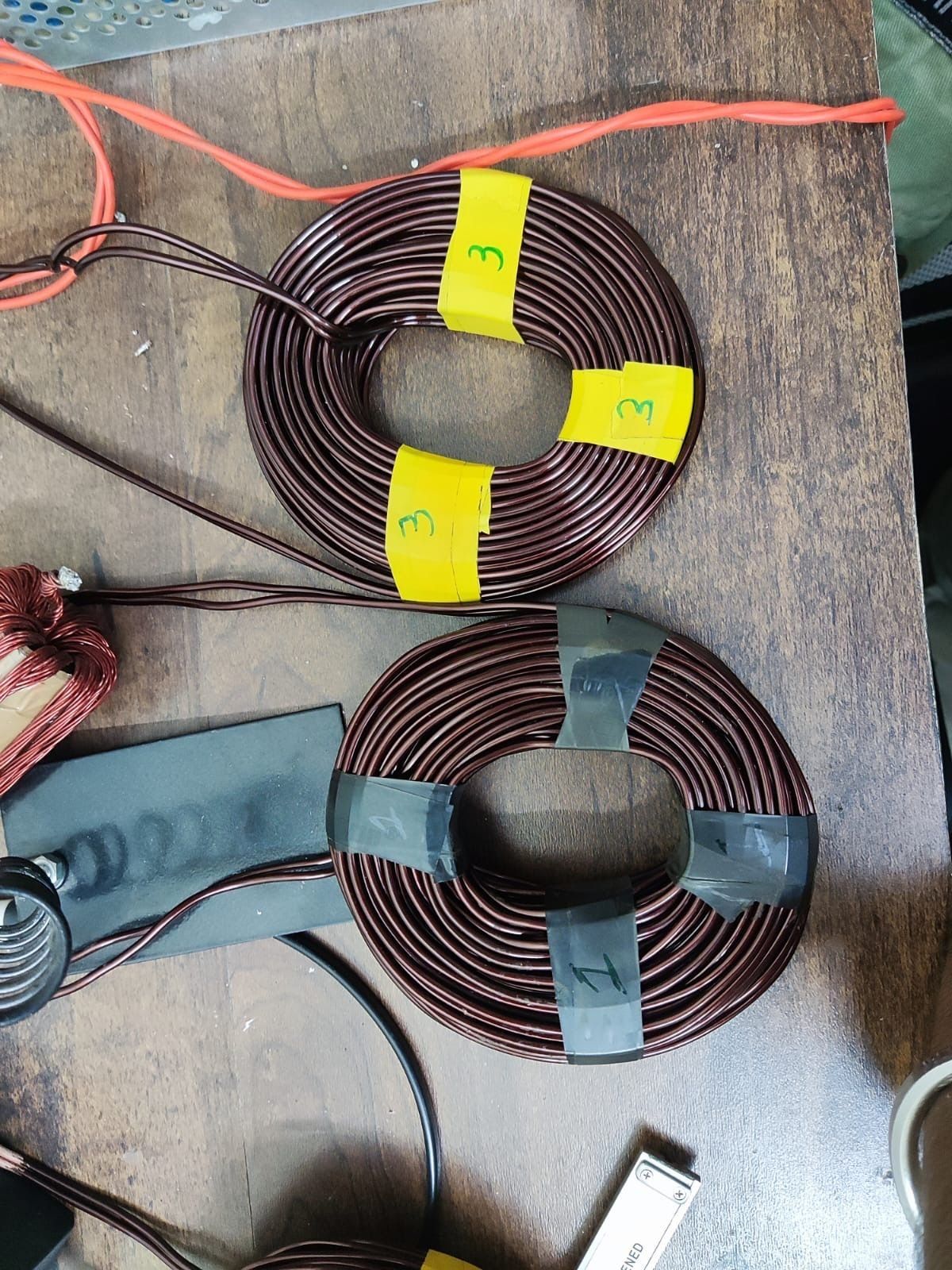
After January’s lesson, a generator designed in-house — coils wound by hand on our own bench.

Fan off at 0:06 and it keeps turning. Under the fan, same bench as July: 79 RPM. Nearly whisper-quiet, by ear.
FAN OFF AT 0:06 · AUGUST 2026
Two hand-wound copper coils on the bench, taped and numbered.
OUR OWN GENERATOR · COILS WOUND BY HAND · AUGUST 2026
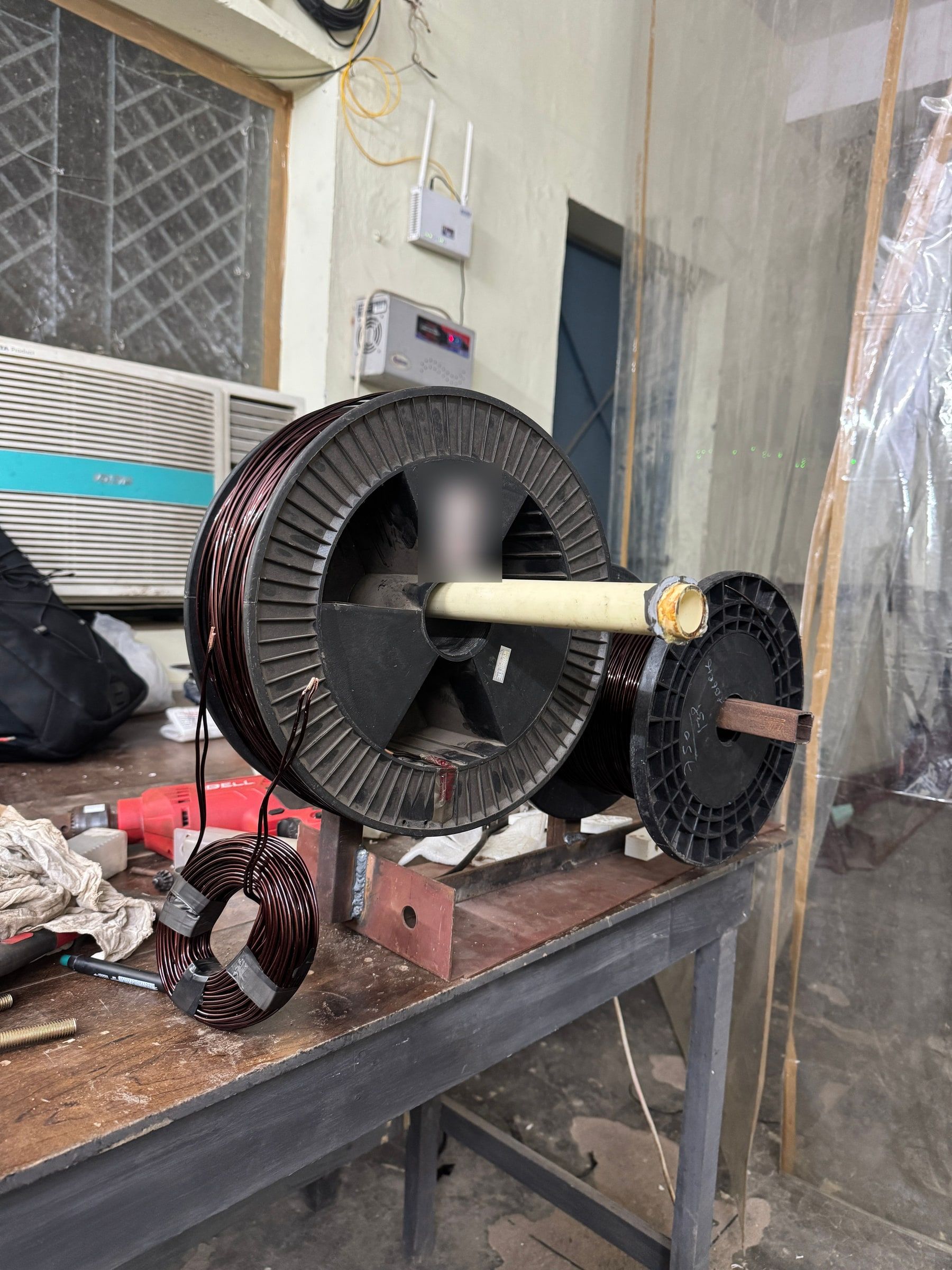
A spool of enamelled copper magnet wire on the workbench beside a finished coil.
MAGNET WIRE FOR THE GENERATOR · AUGUST 2026
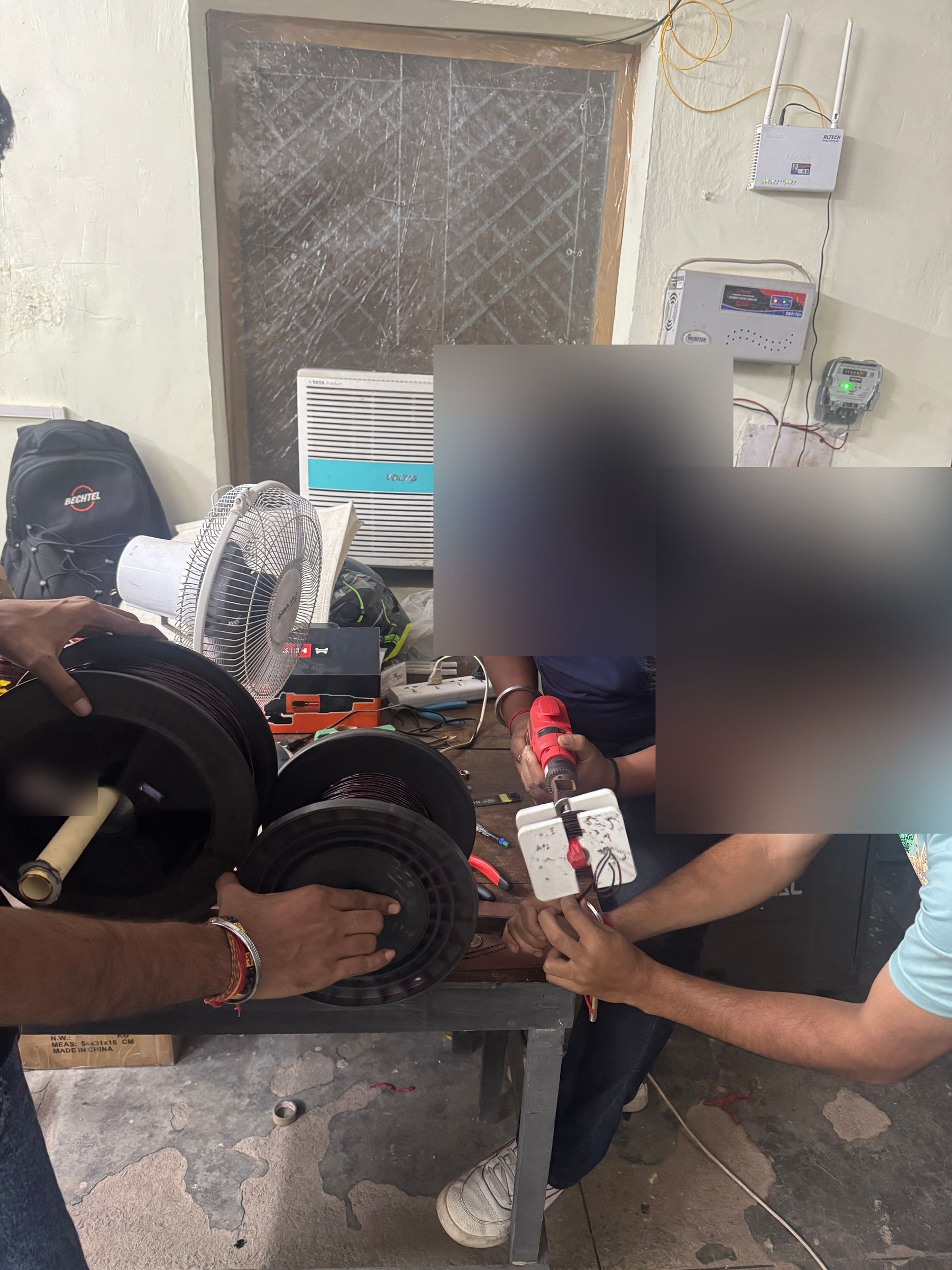
Two people at the bench winding a coil former with a hand drill, spools of copper wire held ready, faces blurred.
WINDING THE GENERATOR COILS · AUGUST 2026
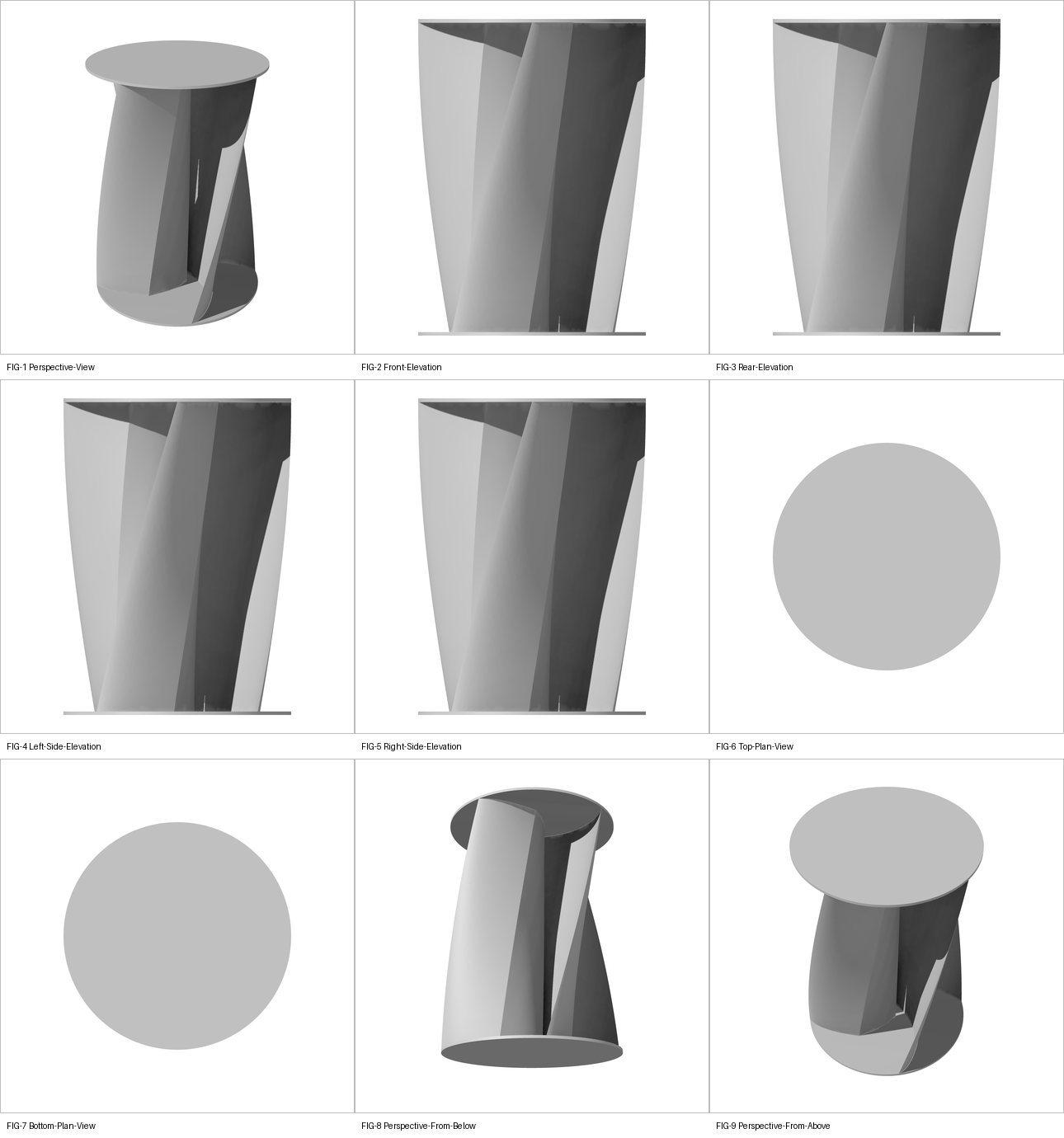
DESIGN APPLICATION
Nine grey rendered views of the inner rotor — perspective, front, rear and both side elevations, top and bottom plans, and two more perspectives — laid out three by three.
THE INNER ROTOR, REDRAWN FOR THE DESIGN OFFICE · AUGUST 2026
NEW THIS MONTH

Out of the workshop. Onto a real roof.

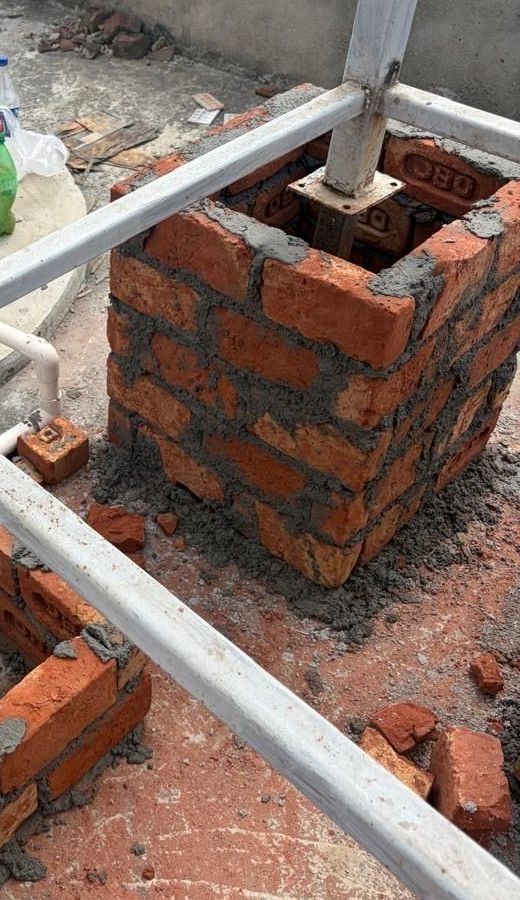
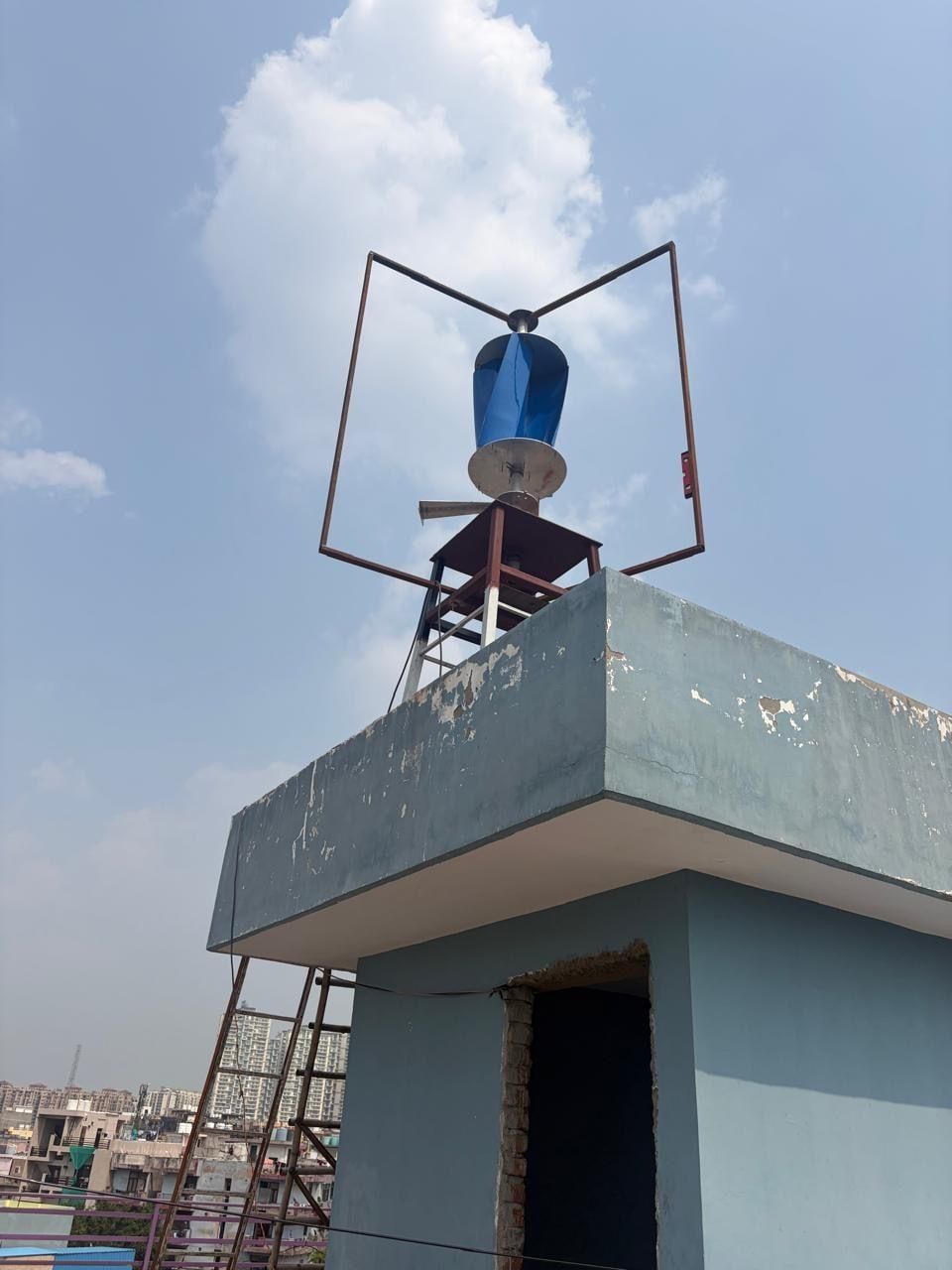
Steel stand on brick pedestals. First spin on a real roof, 17 Sep.

Whisper-quiet on the roof, judged by ear.

A cup anemometer joins the mast. The roof logs its own wind from 29 Sep.

Our own generator: coils hand-wound in August; planned to join the roof machine in October.
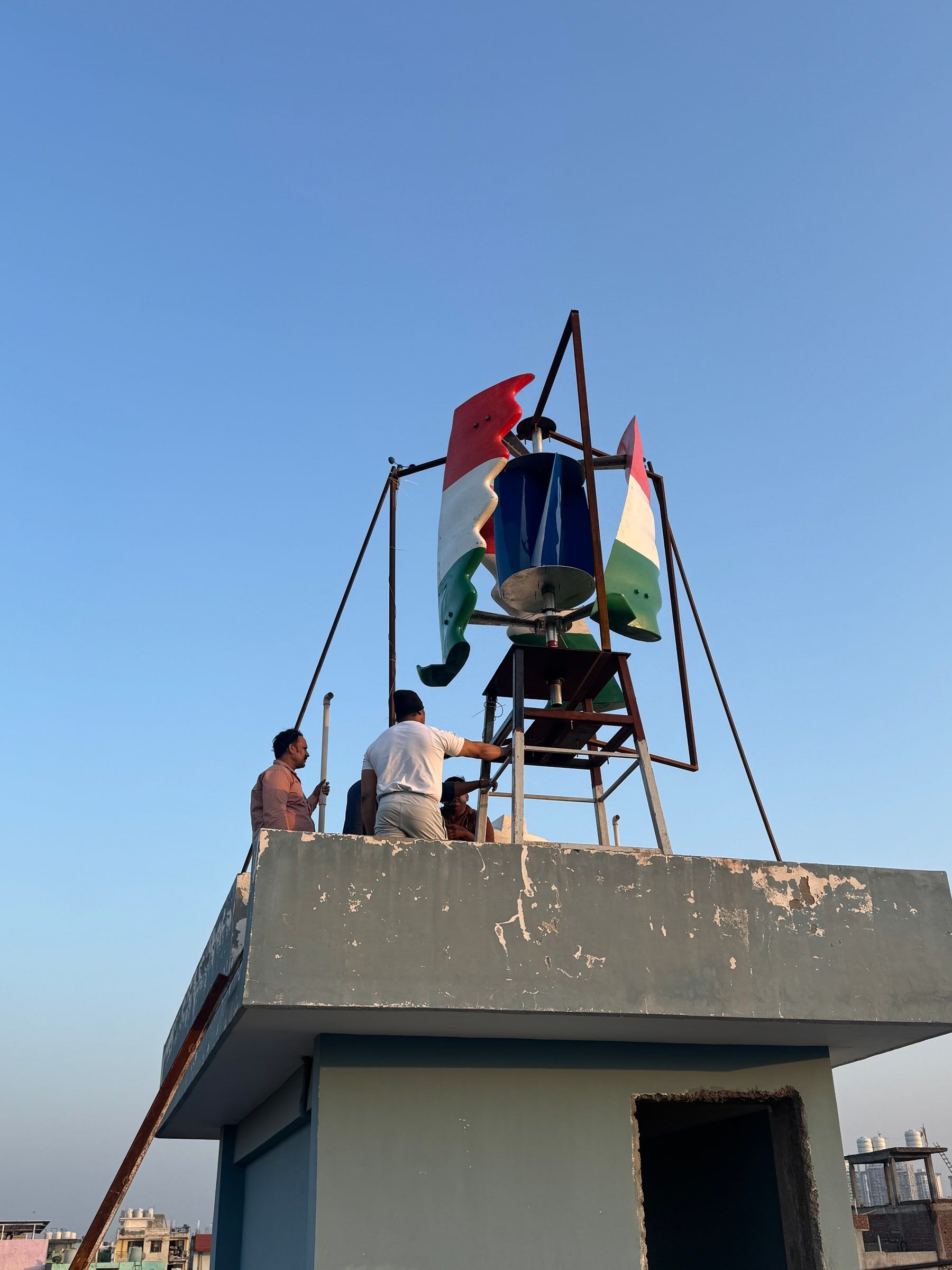
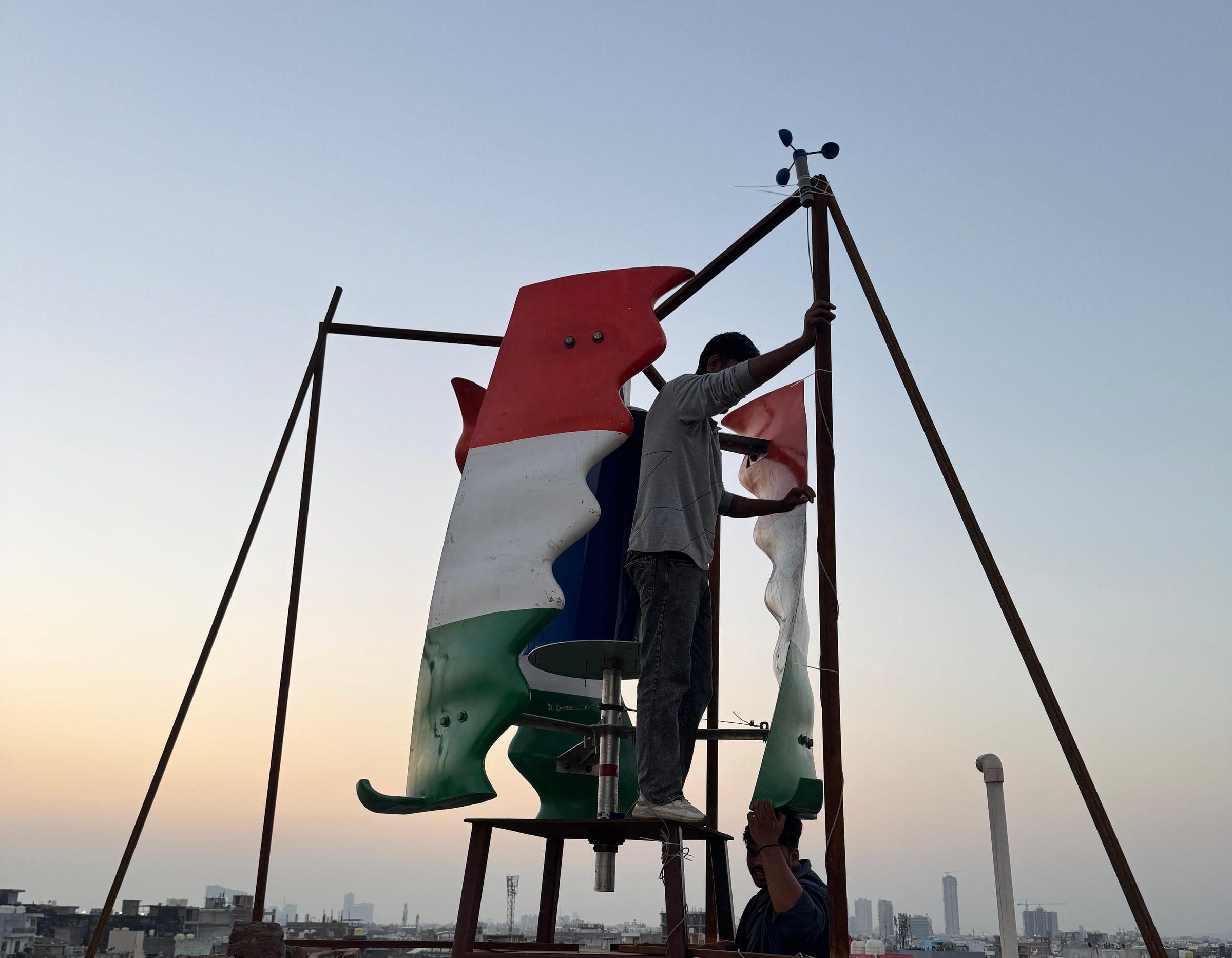
The full tricolour machine on its steel stand on a rooftop under a clear blue sky, three of the crew working at the parapet below it.
THE FULL MACHINE ON THE ROOF · 29 SEP 2026
Brick pedestals and a scaffold frame being built on the rooftop for the stand.
GROUNDWORK: BRICK PEDESTALS FOR THE STAND · SEPTEMBER 2026
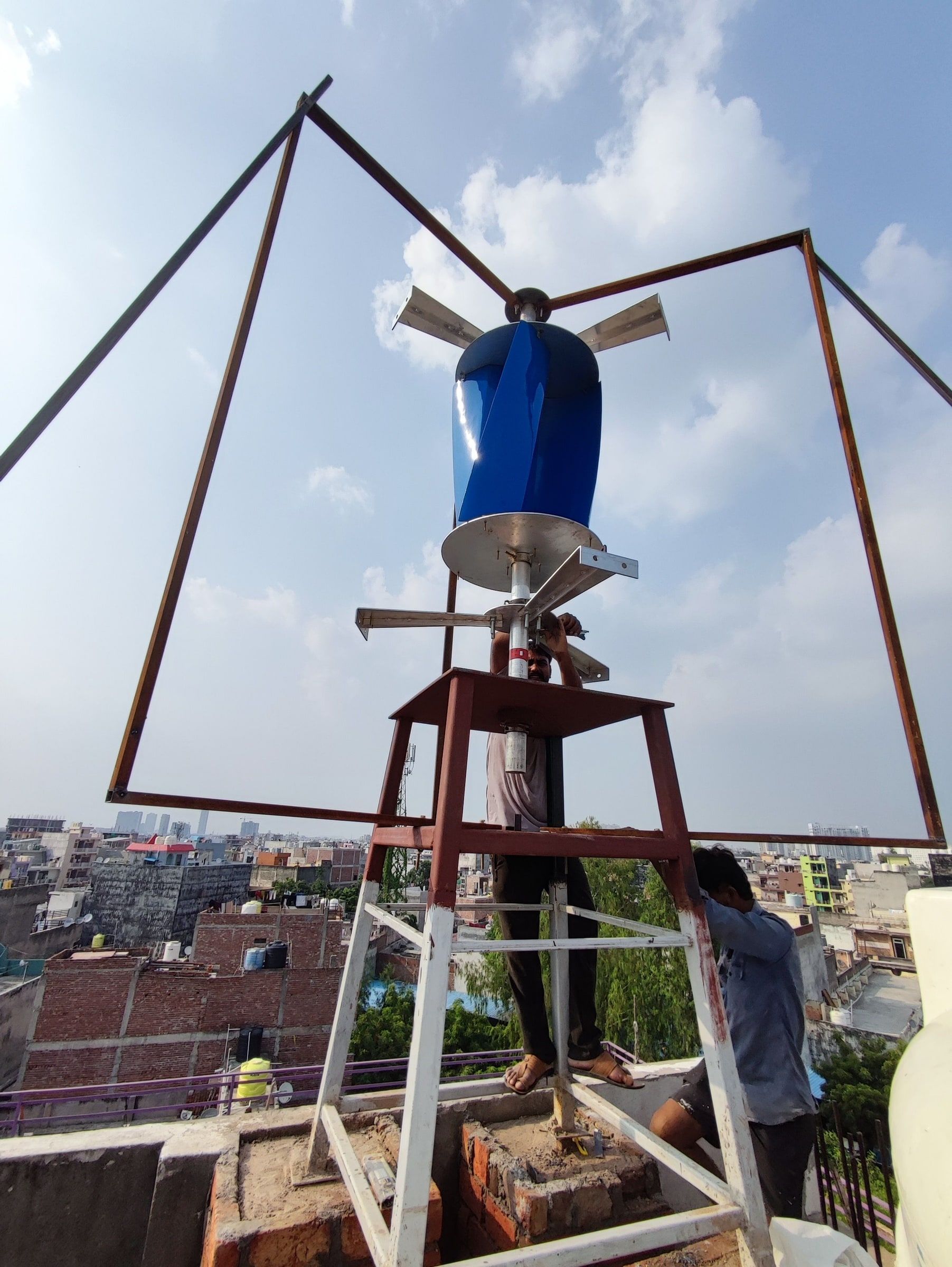
The tall steel stand raised on the rooftop, rotor mounted at the top, two people fitting it.
THE STAND GOES UP · SEPTEMBER 2026
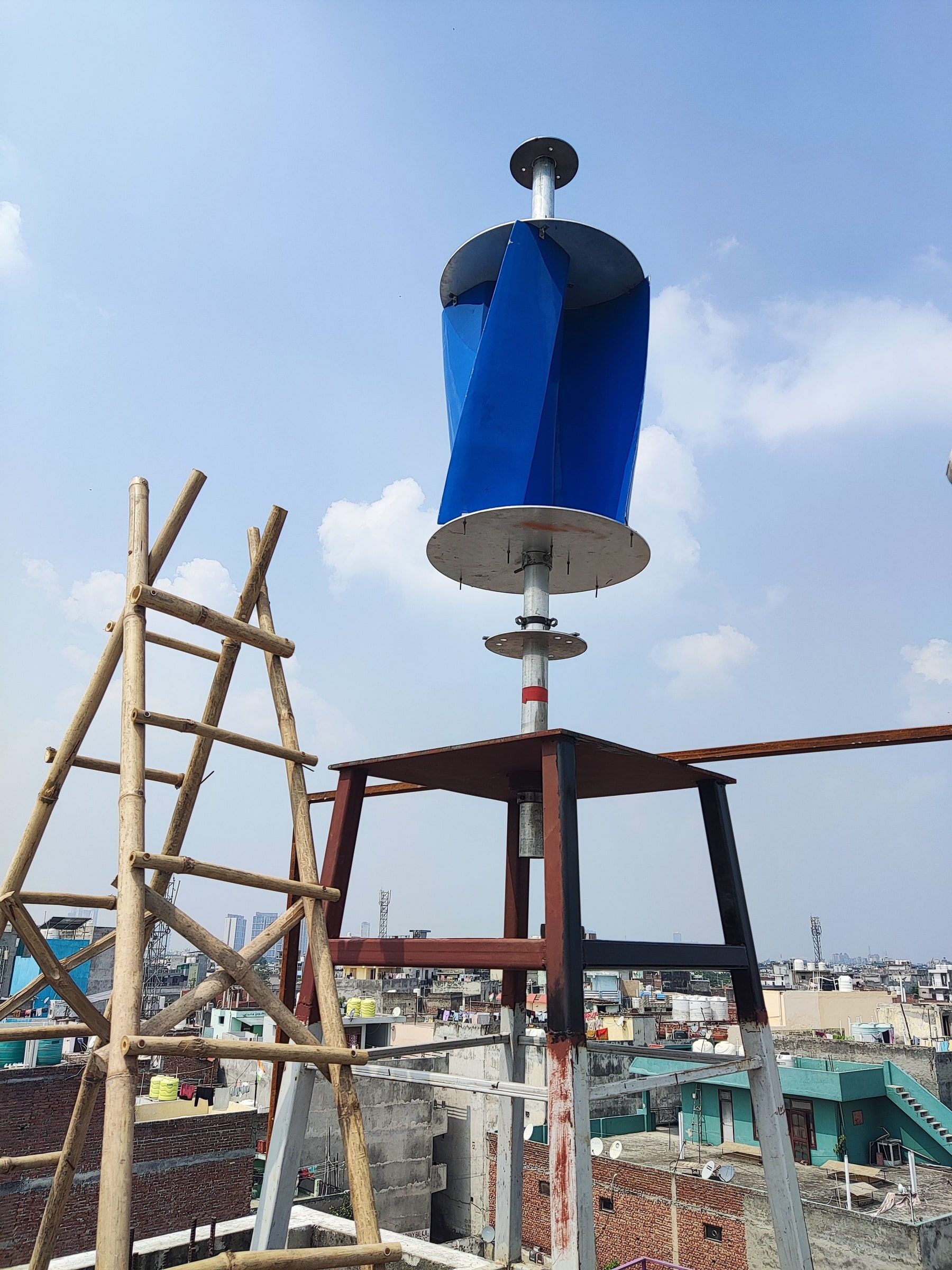
The rotor mounted at the top of the stand against the sky, seen from below, above the rooftop line.
ROTOR UP, ABOVE THE ROOFLINE · SEPTEMBER 2026
The inner rotor and stand frame fitted at the top of the steel stand on the rooftop parapet, outer blades not yet mounted, seen from below.
FITTING AT THE TOP OF THE STAND · SEPTEMBER 2026
At golden hour, a crew member stands on the steel stand beside the tricolour machine, fixing a cup anemometer to the top of the mast against a pale sky.
THE ROOF STARTS LOGGING ITS OWN WIND · 29 SEP 2026
SPINNING IN OPEN WIND · SEPTEMBER 2026
NEXT: OCT’S CHAPTER · EARLY NOV

Each month’s chapter lands in the first week of the next.

Have a roof that could host the full-size GIVARA ONE machine? Tell us about your site.

From the workshop to the rooftop, January–September 2026. Every photo and clip here is real build footage.

GIVARA ENERGY · GIVARA.ENERGY