
ONE MACHINE
Shared charging corner
A suitable neighbourhood site can begin by adding clean on-site generation to shared charging without requiring every earner to own a roof or turbine.
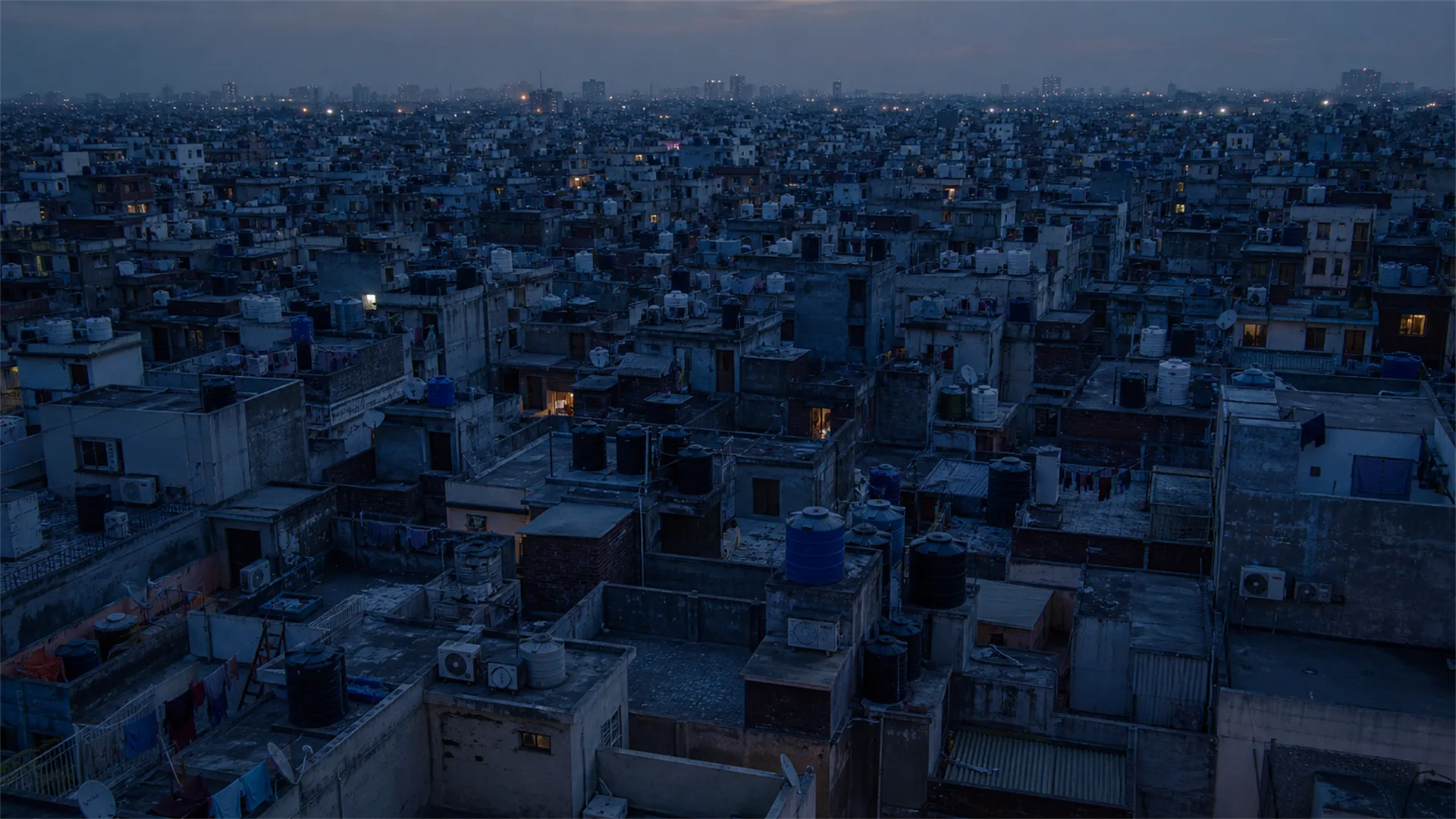
DISTRIBUTED WIND · MANY WAYS TO BEGIN
One shared charging point can begin the thought. A home, café, warehouse, campus or transport site can expand it. GIVARA ONE is being developed for qualifying rooftops and sites—and for conversations that can grow from one machine to many.
THE APPLICATION ATLAS
Distributed wind can serve homes, farms, businesses, institutions and infrastructure. The opportunity is not to claim every roof—it is to recognise how many different roofs are worth examining.
At some commercial sites, higher applicable grid tariffs can make each generated unit worth more in rupee terms. The actual case still begins with the site.
Shared sites can bring clean on-site generation closer to independent earners whose working day runs on a battery.
The wind asks for nothing. A livelihood should not wait at the plug.
For delivery riders, e-rickshaw and e-auto drivers, electric cab drivers and other independent earners, the vehicle is the day’s work. Some earn during solar-generation hours and return to charge after sunset; many do not control enough roof area or capital for their own energy system.
Solar remains valuable. Wind can contribute beyond daylight where measured site conditions support it—within a compliant grid-connected or hybrid charging site.
A suitable neighbourhood site can begin by adding clean on-site generation to shared charging without requiring every earner to own a roof or turbine.
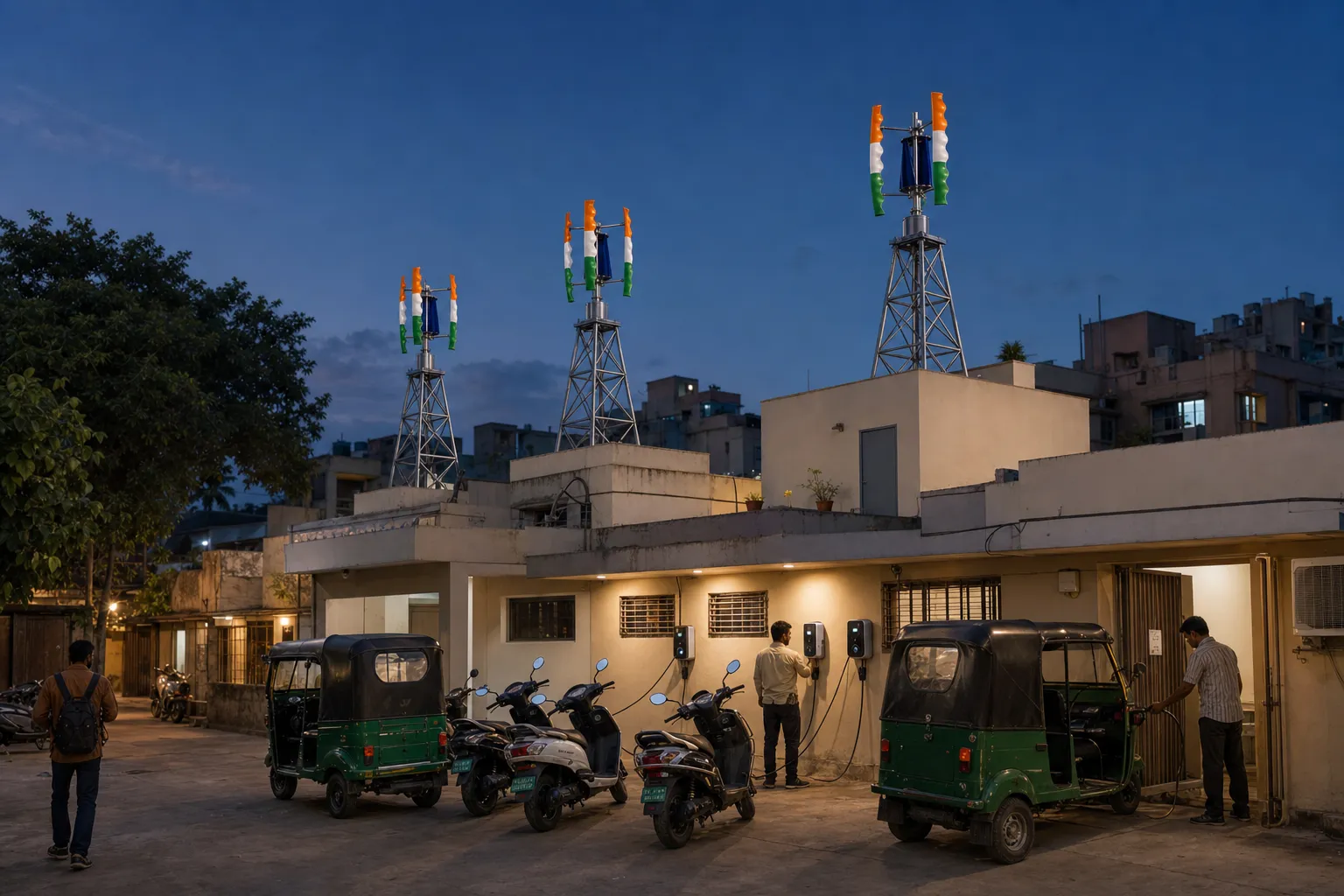
A small cluster can become a more meaningful renewable layer where independent earners park and prepare for the next working day.
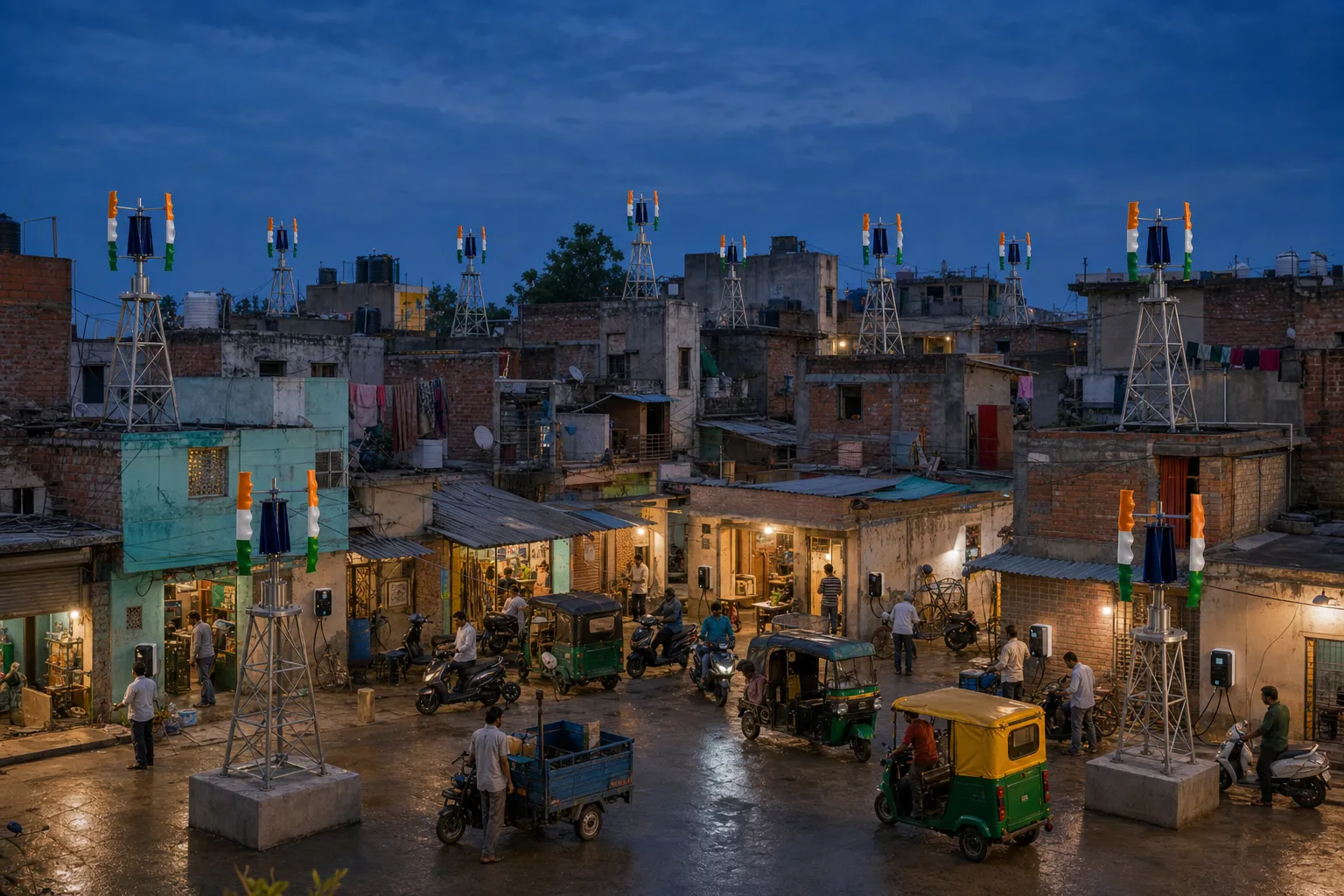
A larger distributed-wind installation can contribute across charging equipment, shared electrical loads and, where required, storage.
A future pilot should make its contribution visible—not ask anyone to take impact on faith.
Shared livelihood sites can be developed with charging operators, mobility platforms, RWAs, cooperatives, livelihood organisations, CSR foundations and public agencies.
Places where people work, stay, shop and gather can turn useful roof area into another source of on-site energy.

A lived-in hospitality roof where several machines become part of the place—not the spectacle.

Hospitality roofs can distribute a small cluster without losing the calm of the guest environment.
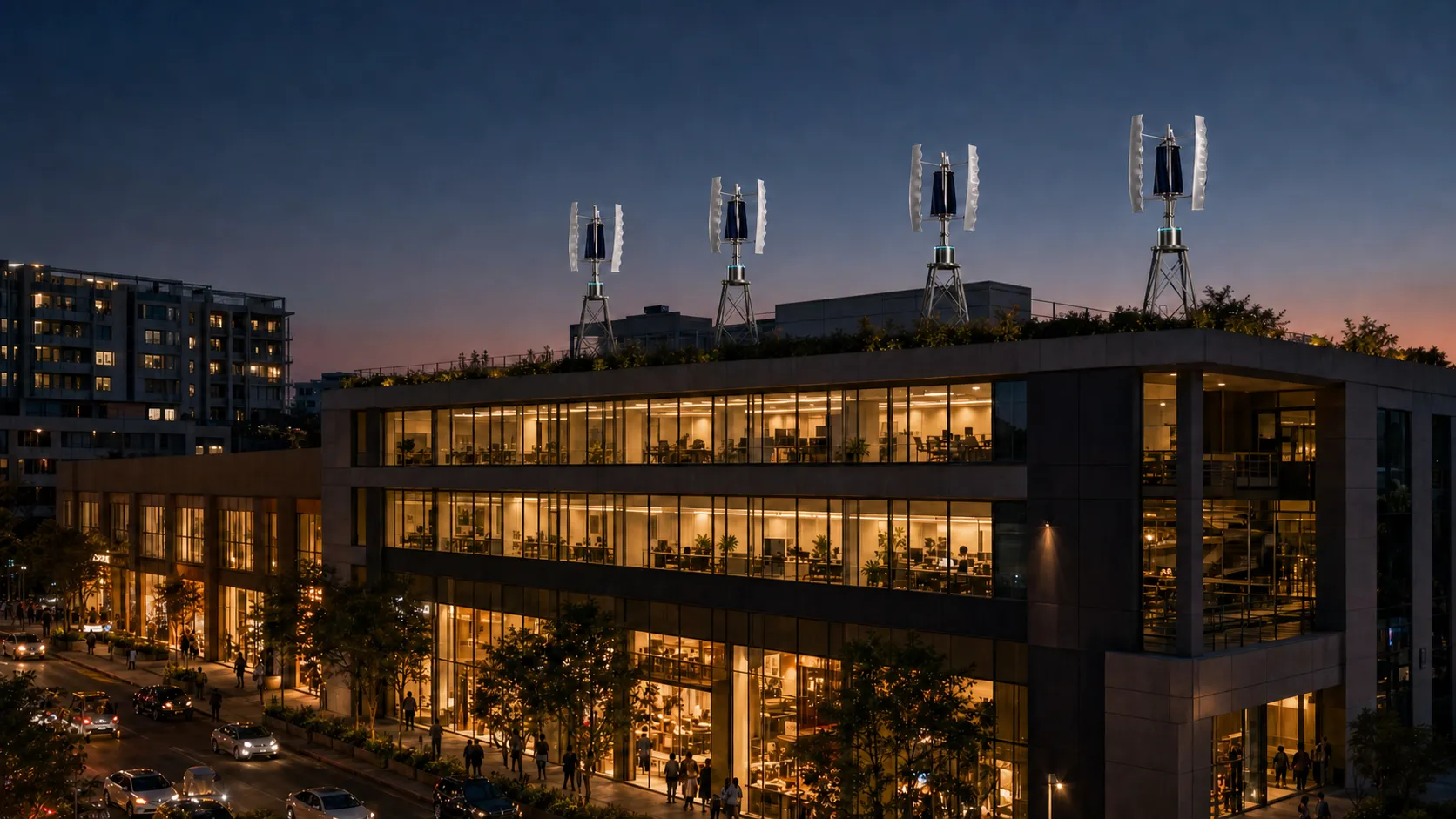
A larger commercial roof can support a repeatable pattern rather than a one-off statement.
Large roofs and long operating hours create room to think beyond a single machine.
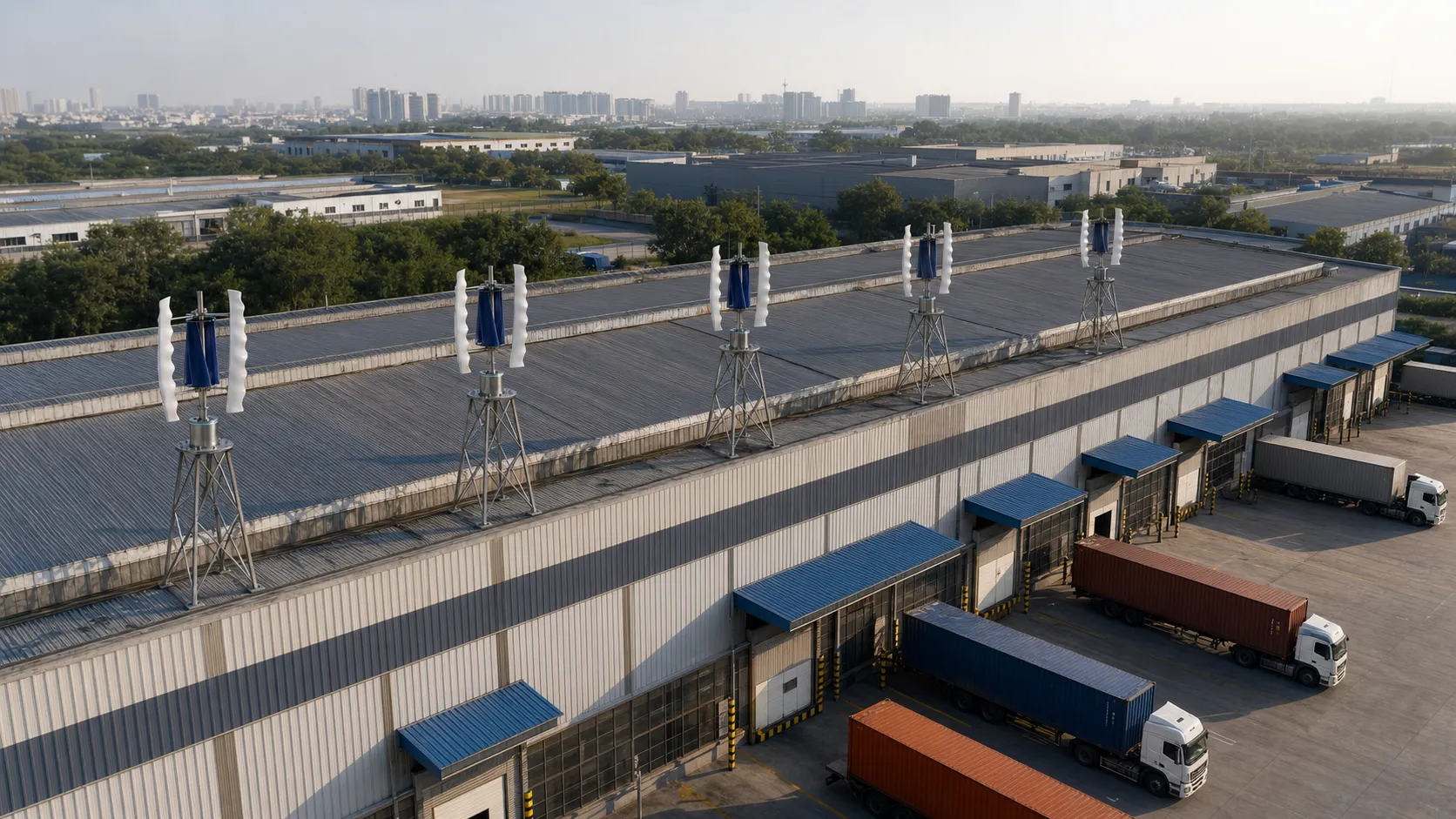
Long structural roof bays create a natural way to consider measured, repeatable placement.
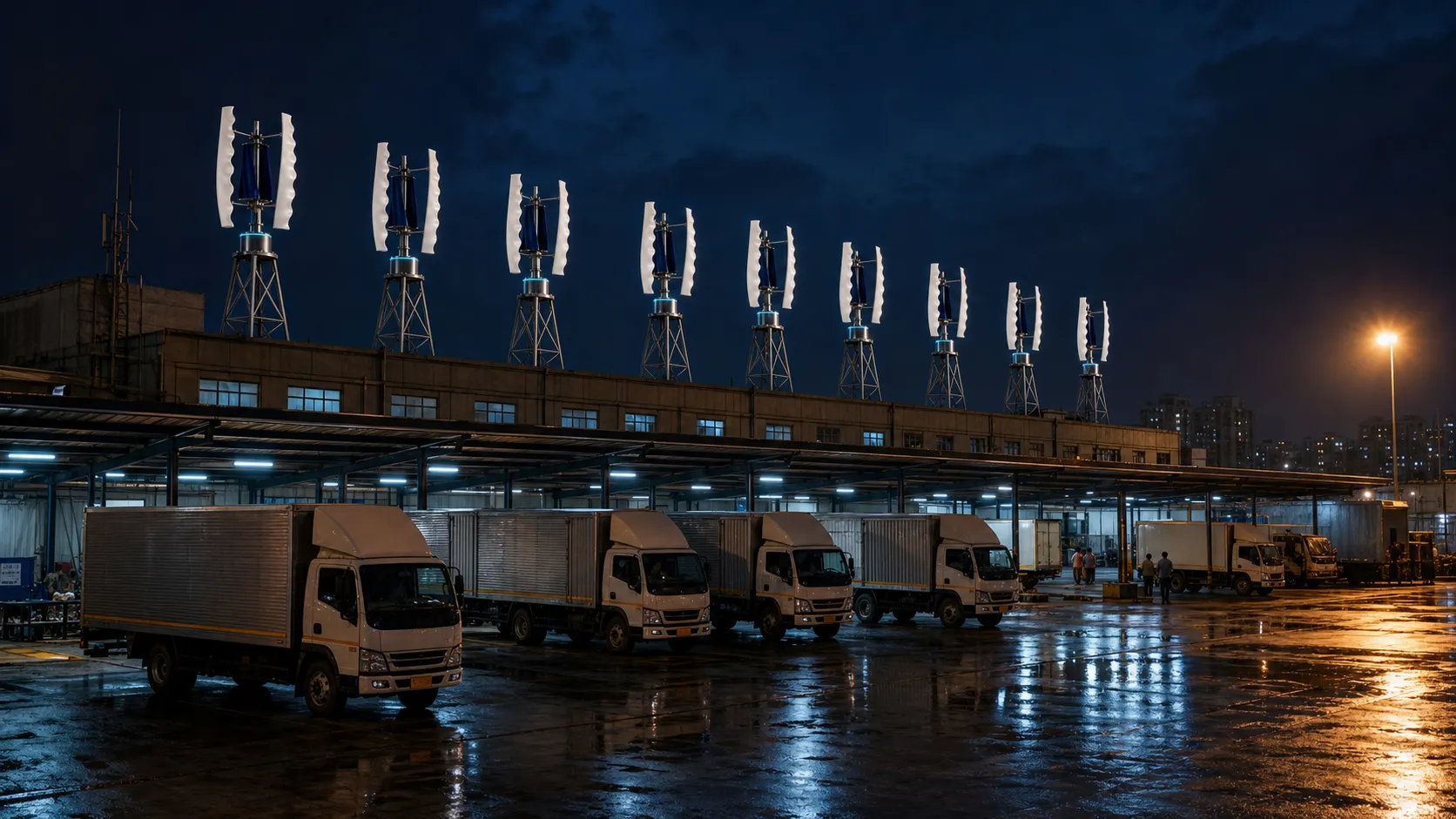
A multi-unit roofline can complement a site whose vehicles and operations continue after sunset.
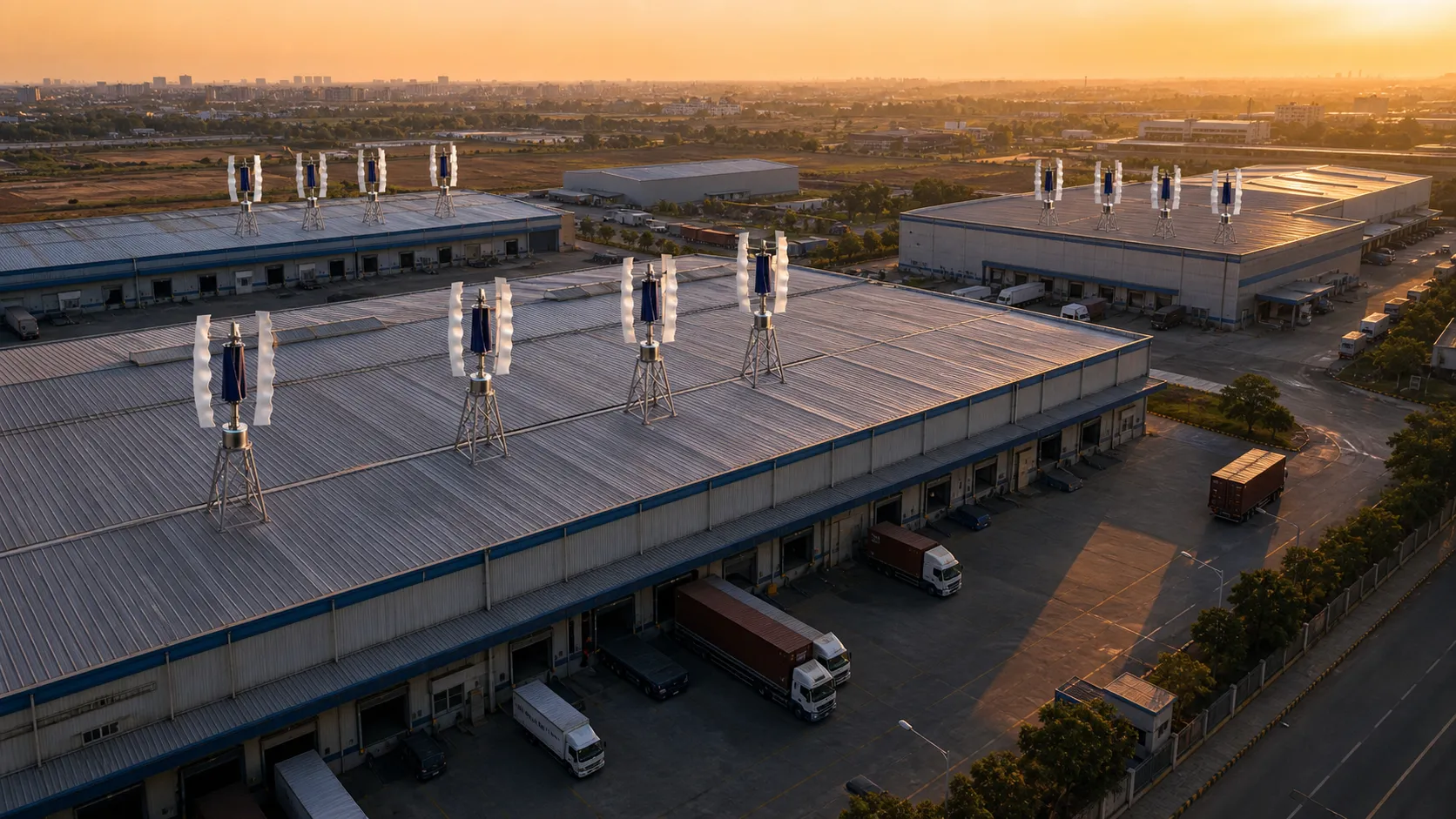
Several buildings can turn isolated rooftop machines into a coordinated site-energy layer.
From a working shed to a multi-building facility, distributed wind can be considered around the site’s real load.
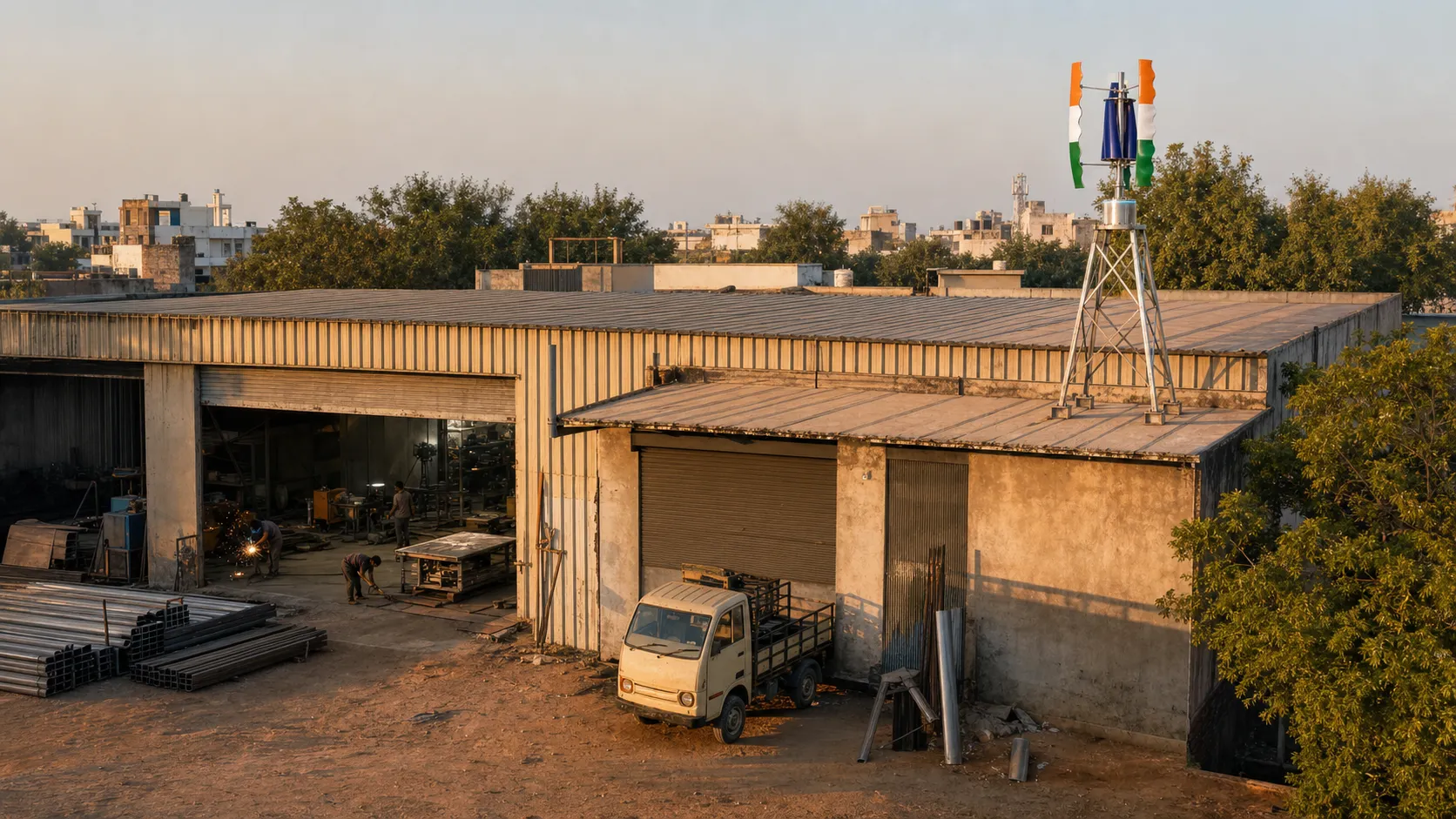
One well-placed machine can be the right scale for a compact working site.
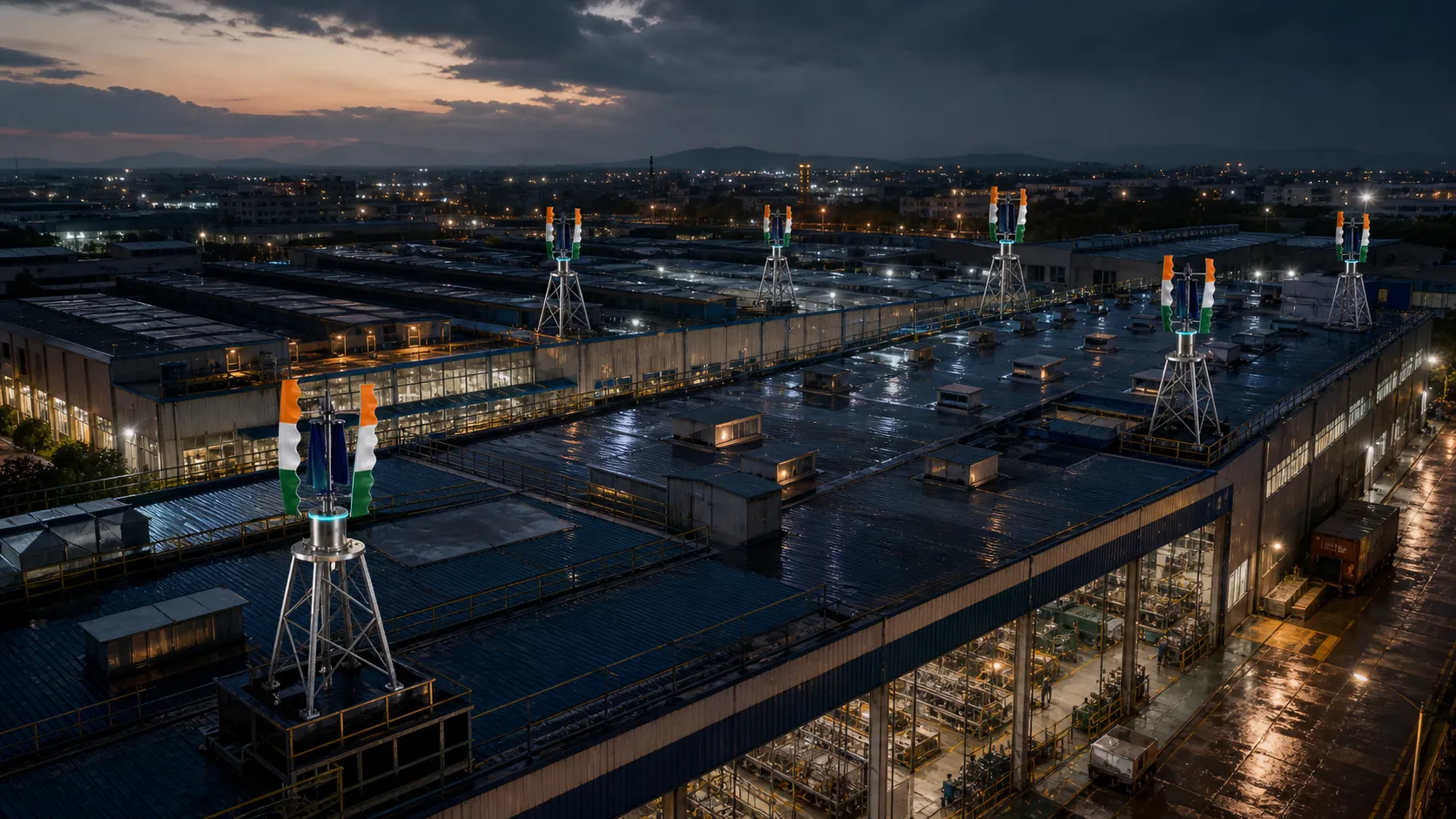
Separate roof zones allow a larger facility to consider several machines without crowding one location.
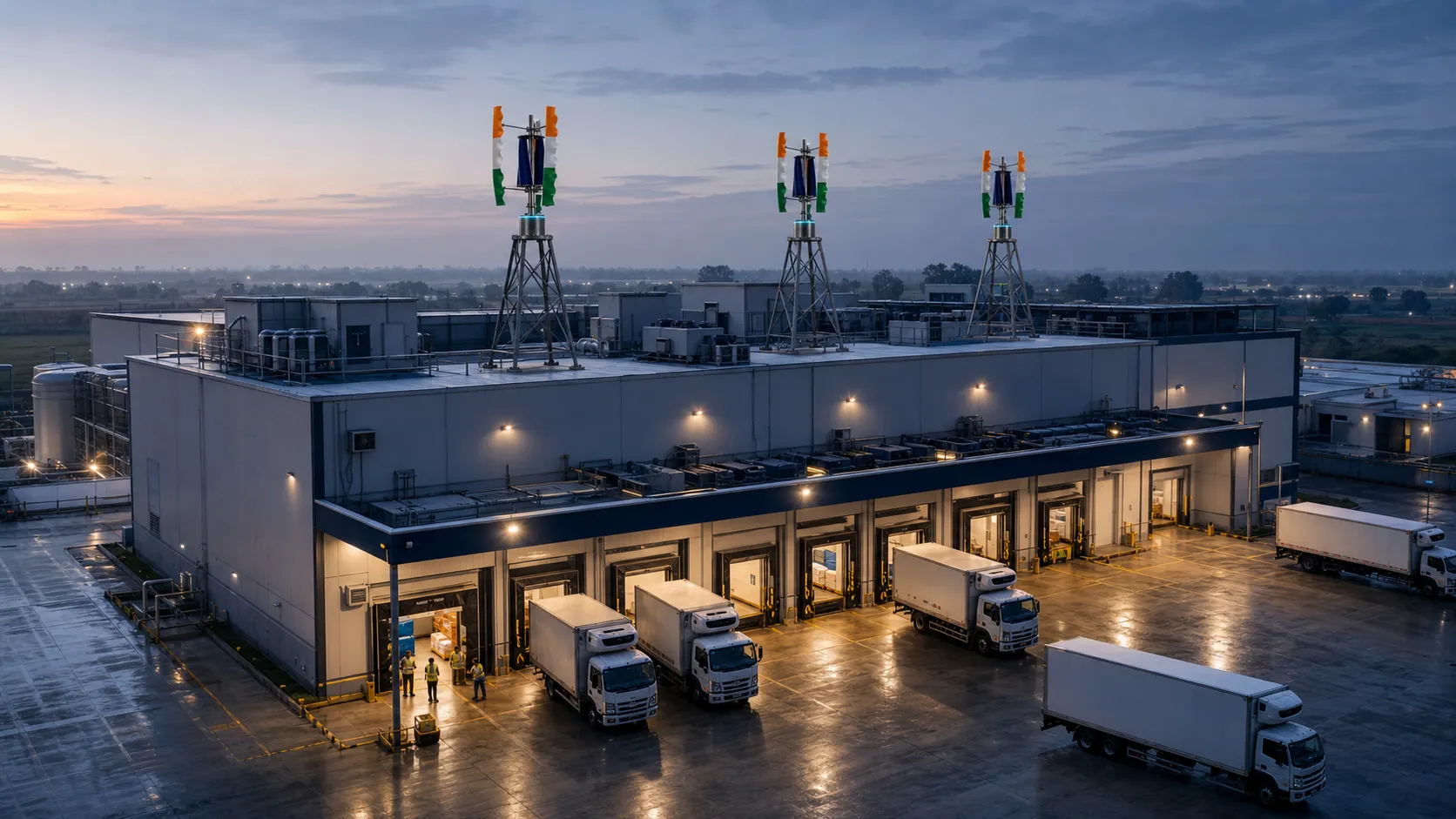
Persistent refrigeration and processing loads can make diversified on-site generation worth examining.
The most human introduction to rooftop wind can begin with one terrace and expand across shared roofs.

A single terrace remains the clearest, most personal doorway into rooftop wind.

Shared roofs can prompt a community-scale conversation rather than a household-only one.
Several buildings, shared loads and visible infrastructure can make a campus a natural place to explore the idea.
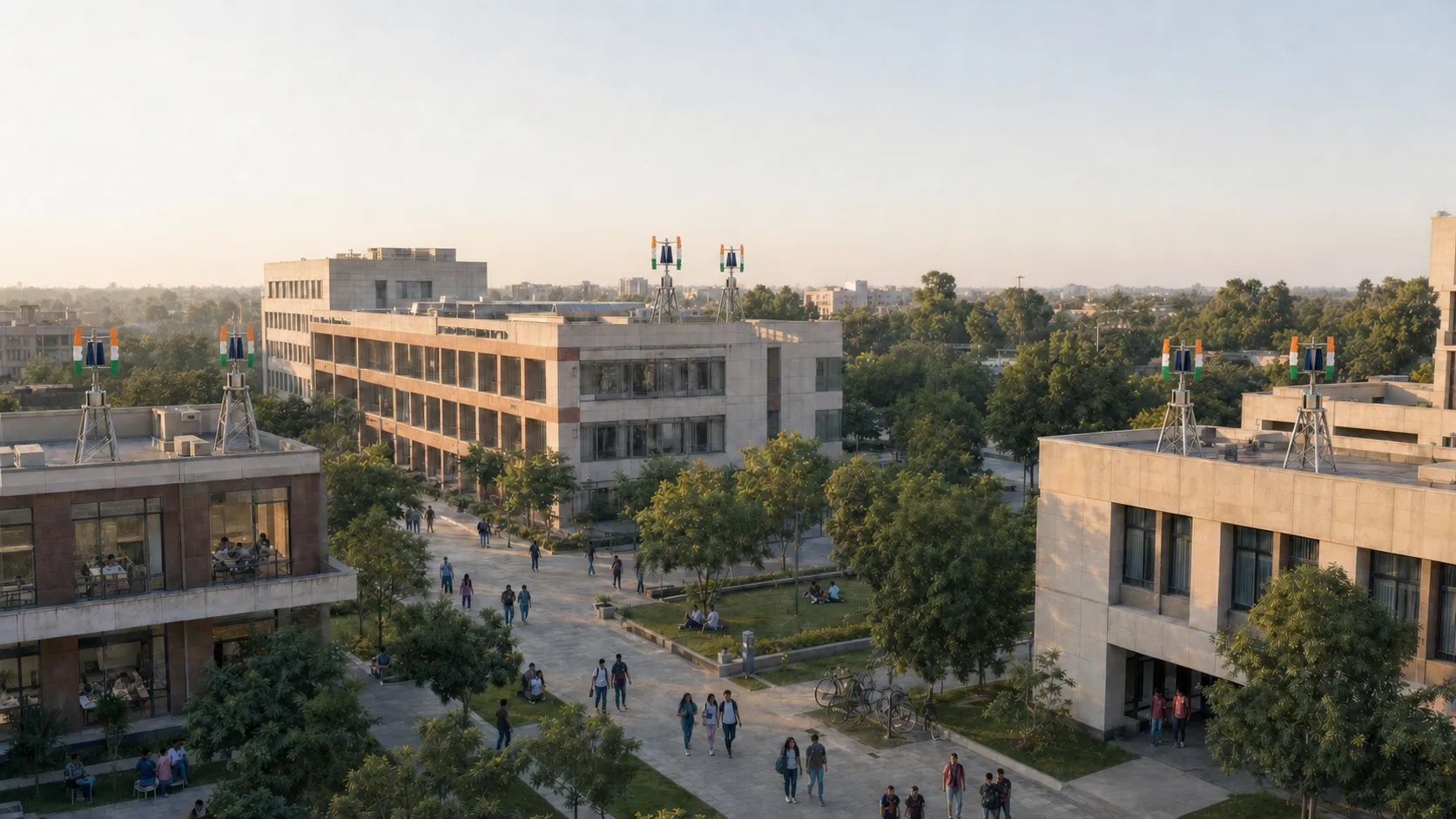
Distributed machines across a campus can make clean infrastructure visible and tangible.
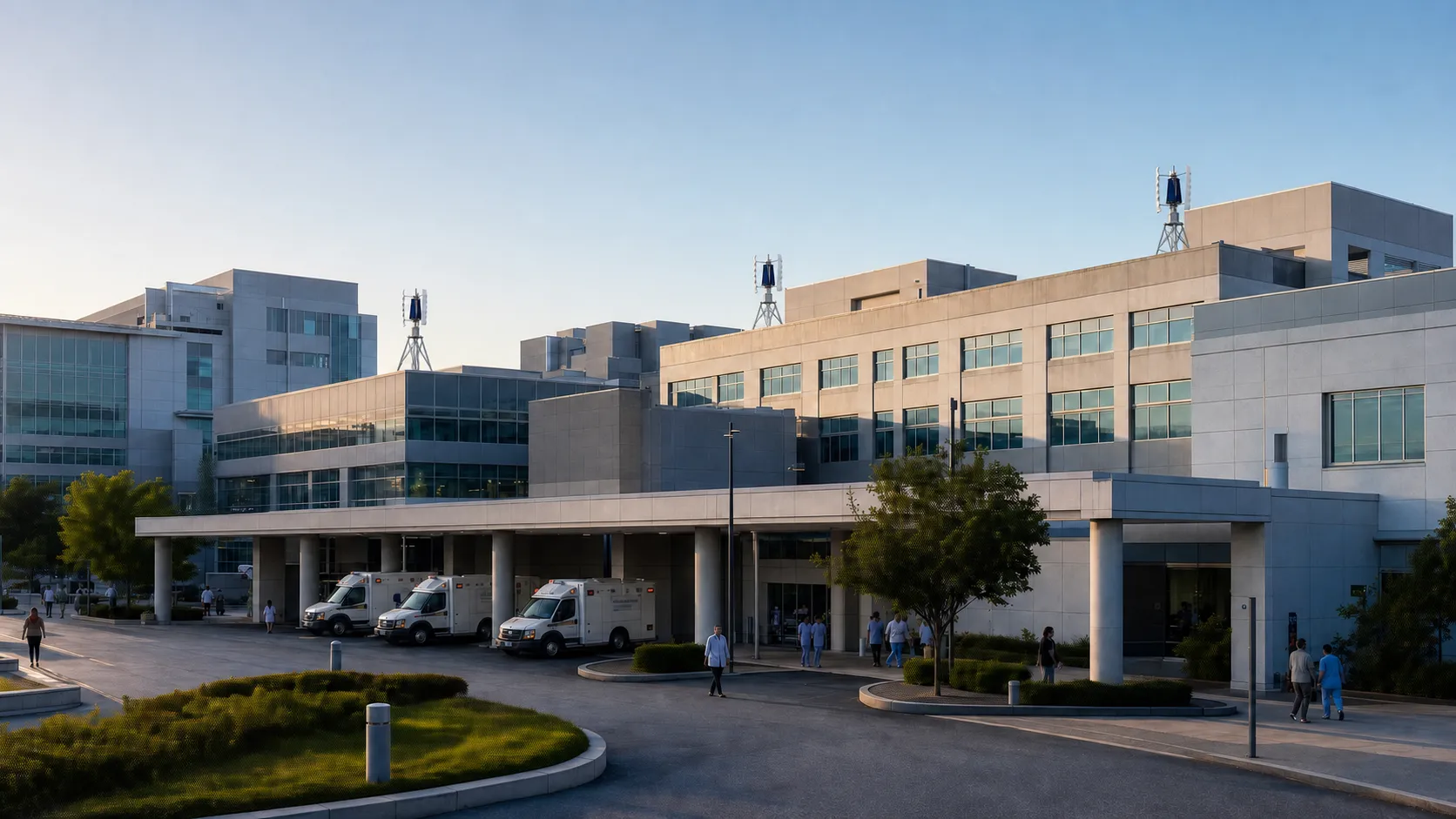
Serious infrastructure calls for a restrained visual presence and a disciplined site review.
Dairy, processing, pumps and rural businesses all create energy needs beyond the city edge.
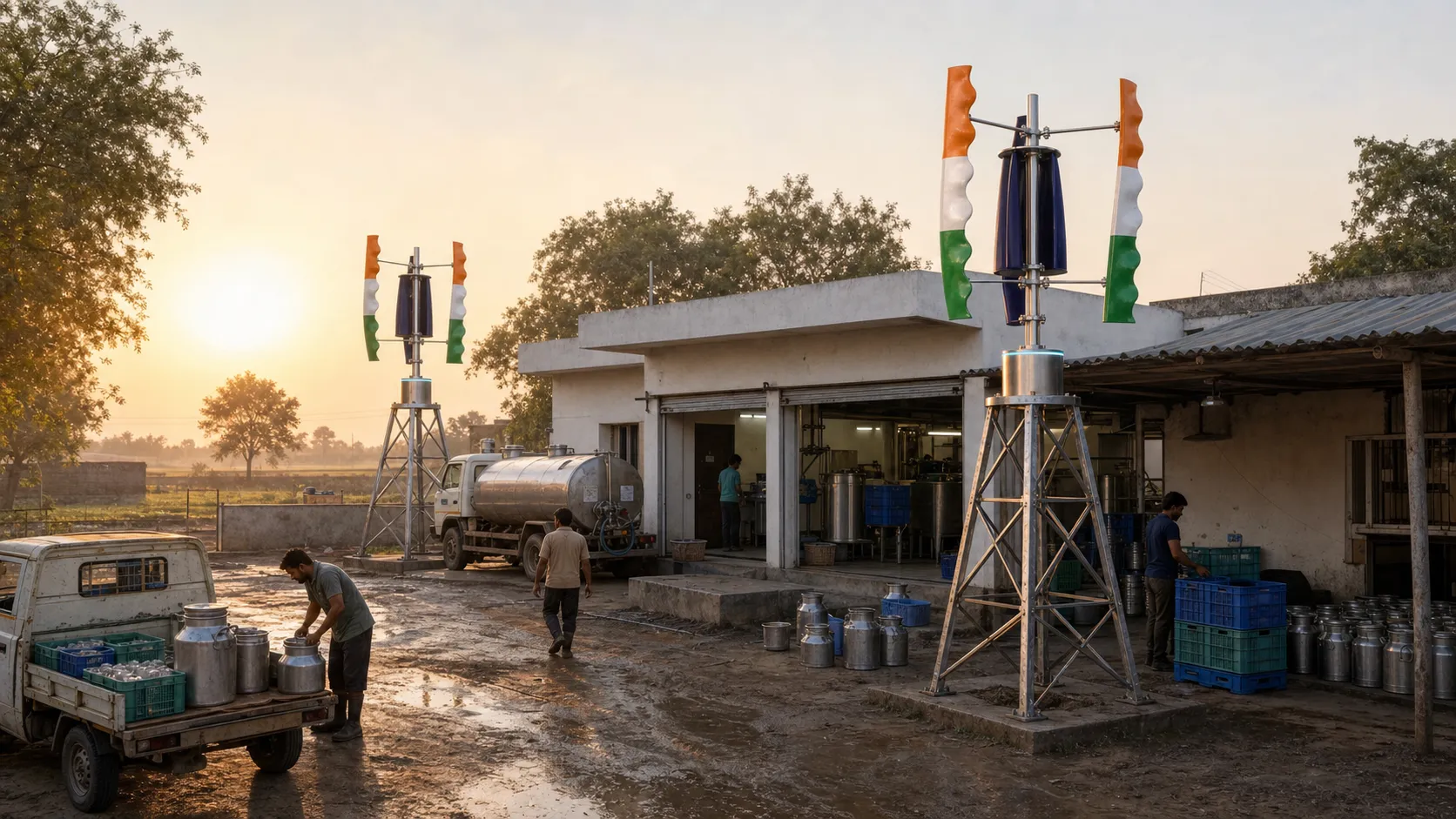
Working rural buildings can pair open exposure with meaningful processing and cooling loads.
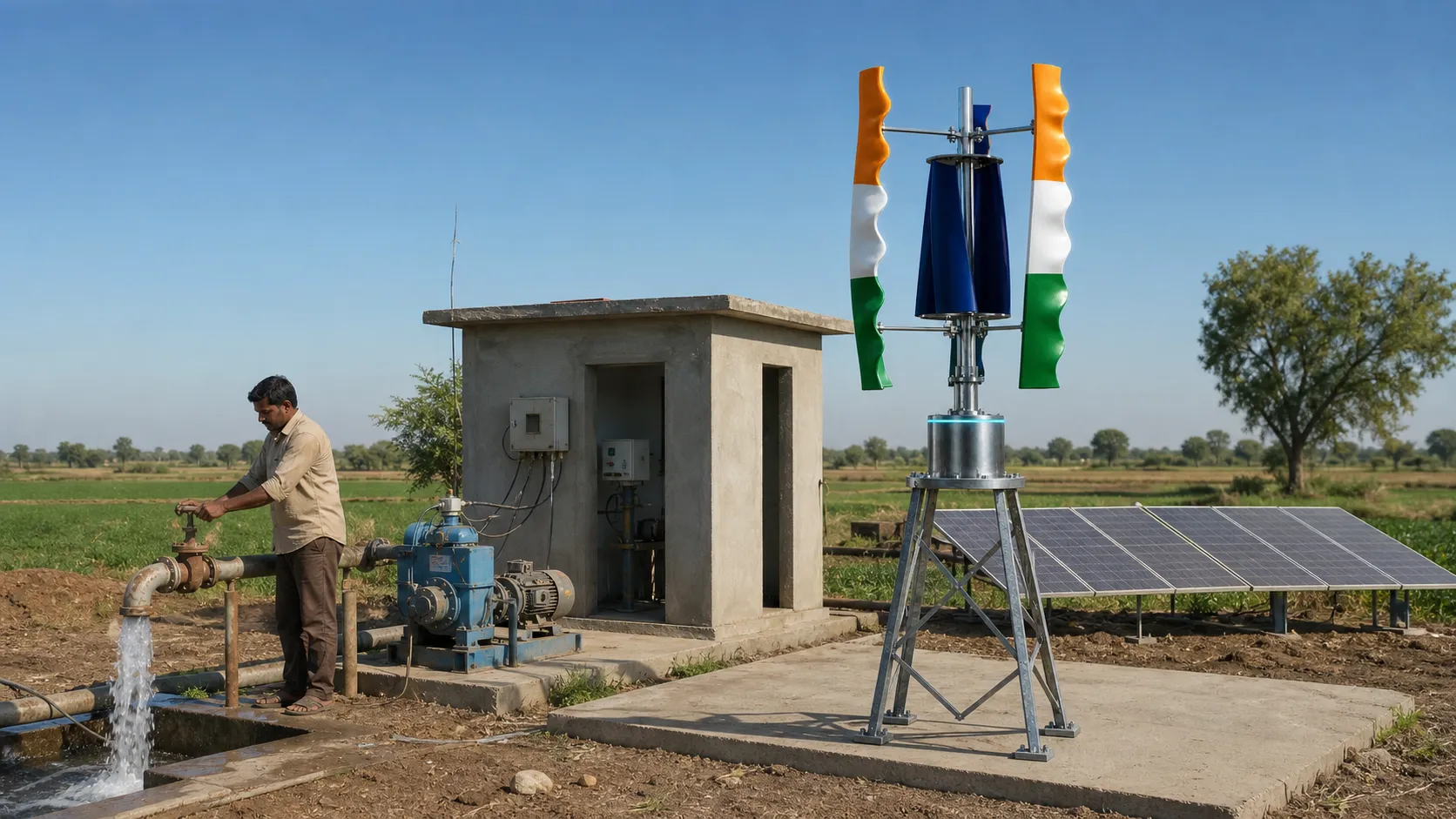
Wind can sit alongside grid and solar supply as one part of a practical site-energy system.
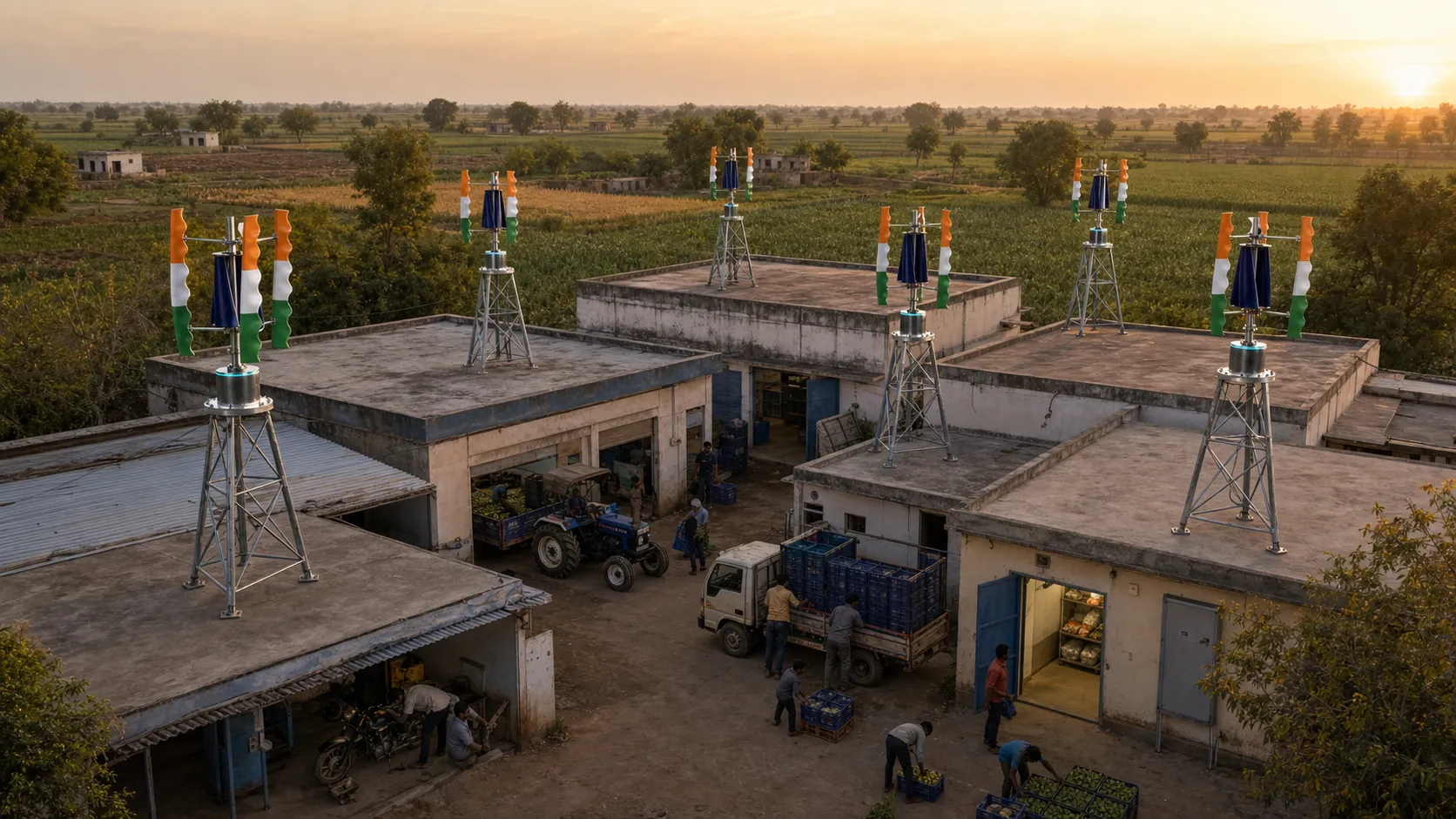
Several nearby enterprises can make the leap from a single rooftop to local distributed scale.
Transport and public assets can open larger possibilities when their operating rules, structures and sites align.
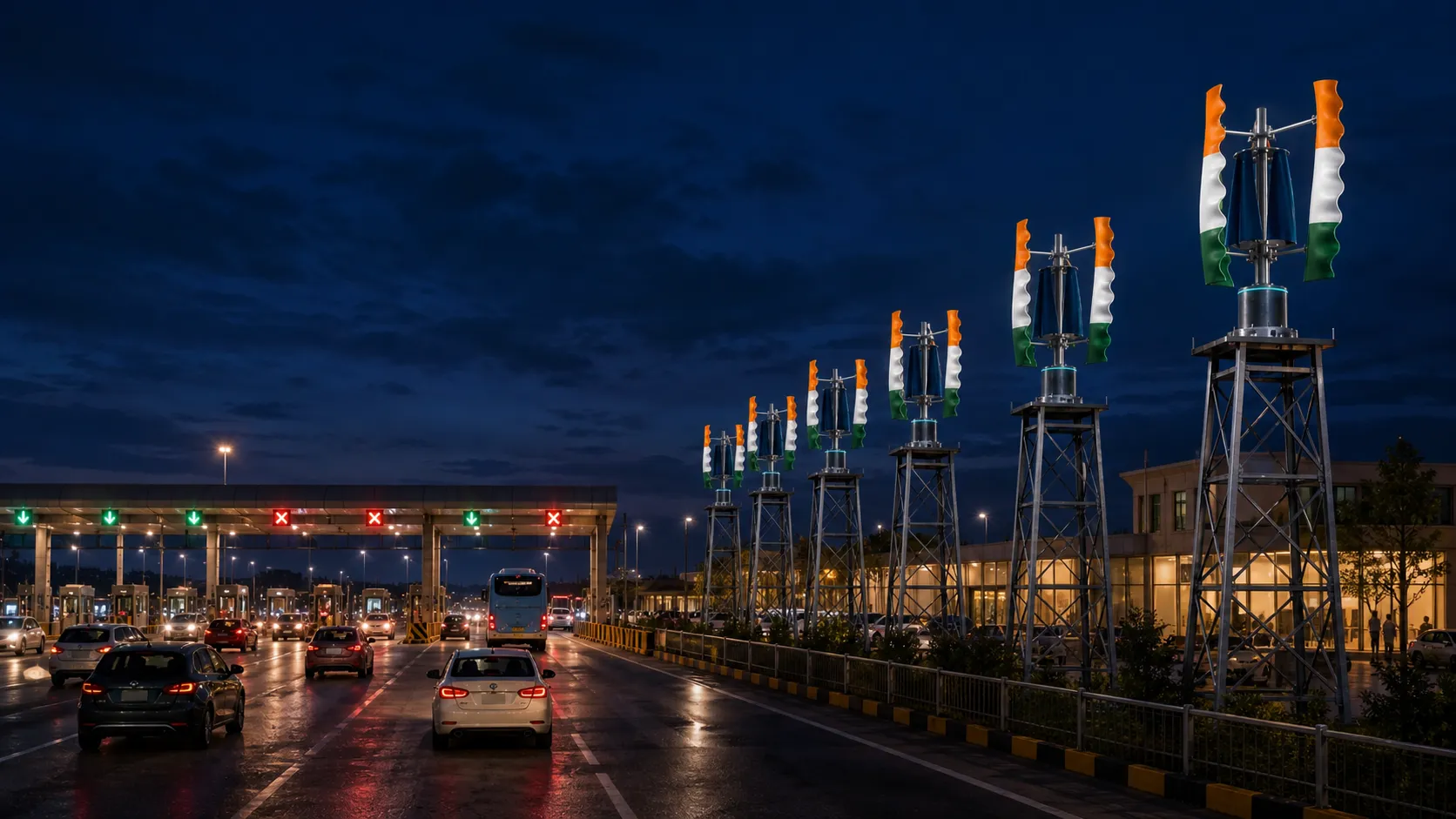
Open corridors and persistent site loads can invite a repeatable infrastructure-scale arrangement.
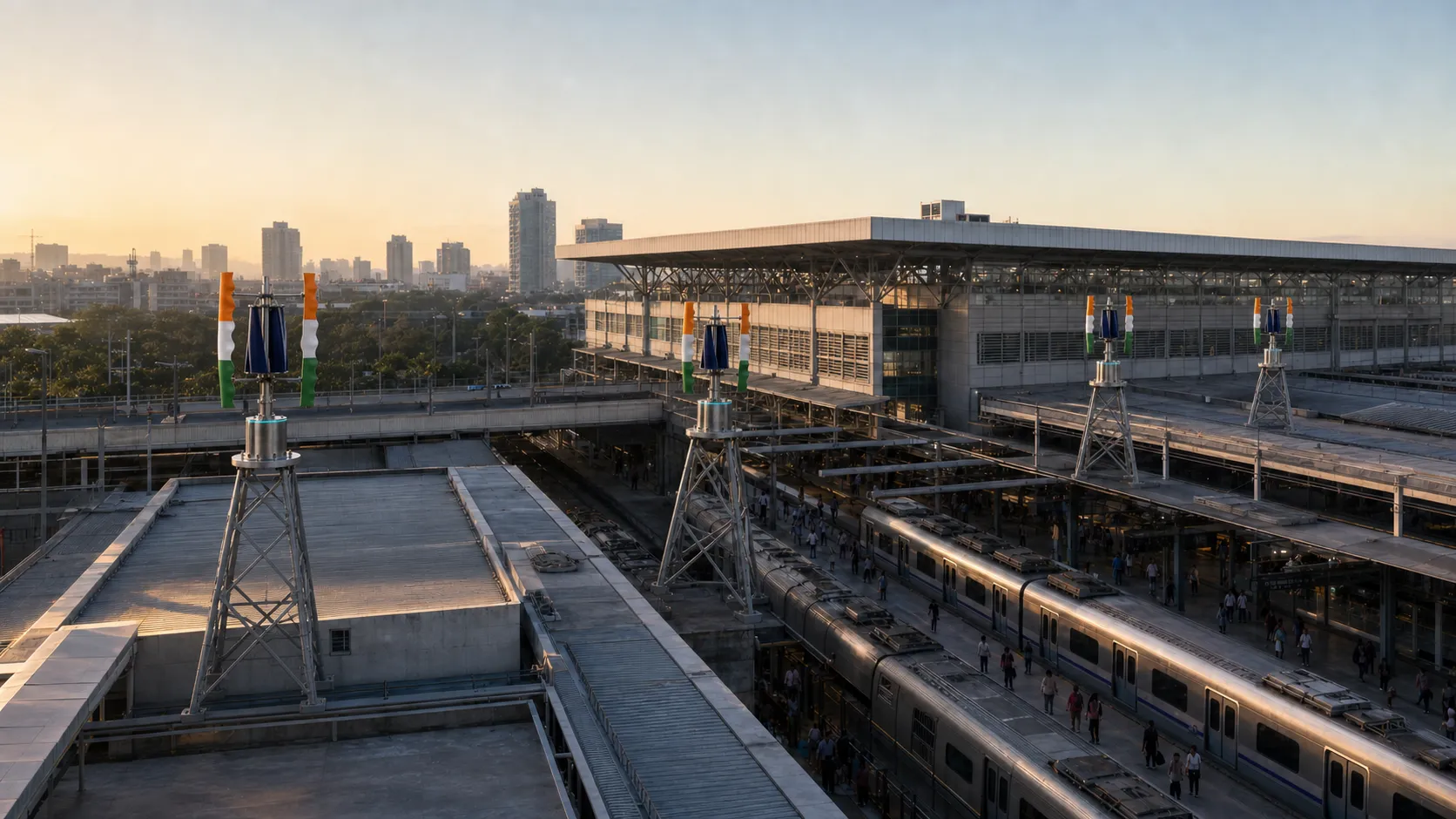
Transit buildings and depots can open a conversation about clusters rather than isolated equipment.
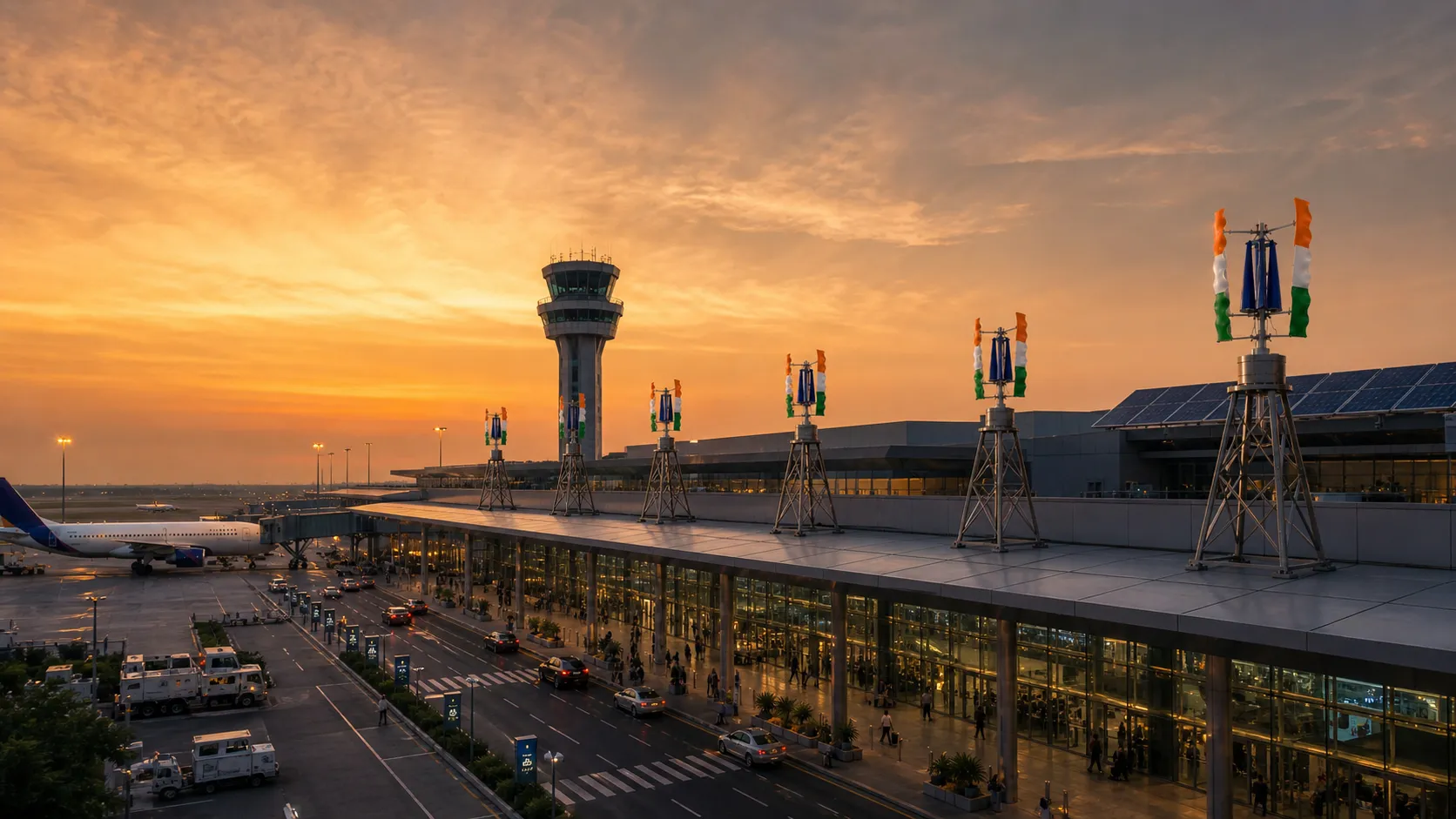
Large ground-side assets can be explored where their structures, operating rules and approvals permit.
A FINISH THAT BELONGS
Choose the GIVARA identity—or shape a larger installation around the character of your site.
THE SCALE CAN CHANGE
A focused beginning for a home, workshop or farm-service roof.
Several roof zones can turn an isolated machine into a meaningful site layer.
Large roofs and multi-building sites can open a conversation at a different scale.
THE UNIVERSAL HONESTY GATE
Every category follows the same five-step discipline. No generic savings promise can replace it.
We establish what the wind actually does at the proposed height and location.
We examine load paths, setbacks, access, blade clearance and how the machine would meet the site.
We identify the owner, society, local and asset-specific permissions required before proceeding.
We compare the site’s consumption pattern and applicable tariff with what measured wind could credibly support.
If the site does not make sense, we say so. A conversation is not a promise of installation.
ONE COMMAND VIEW
From a single machine to a whole campus, every unit reports to GIVARA Command — your site gets the generation without your team becoming its operator.

YOUR ROOFTOP. YOUR LOAD. YOUR WIND.
Share the basics. We will begin with a conversation—then measure before we promise.