GIVARA ENERGY · INVESTOR BRIEF
The energy above us.The lives beneath it.
Our ambition is to turn suitable rooftops worldwide into the world’s largest distributed clean-energy network.
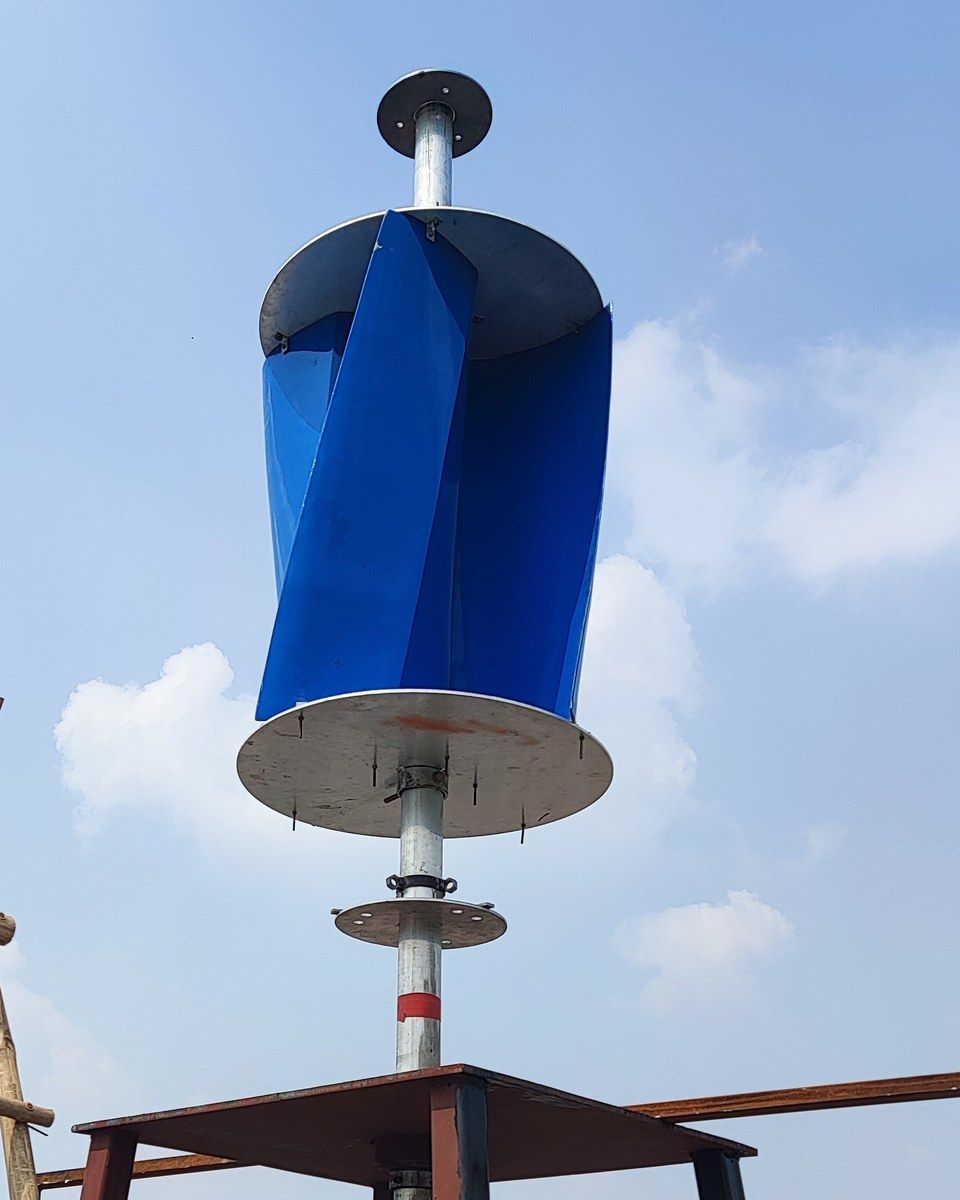
GIVARA ONE is the starting point: a dual-rotor wind turbine being developed in India for the changing airflow above our cities.
Full-size machine built · Internal TRL-4 · Physical validation ongoing · Pre-revenue
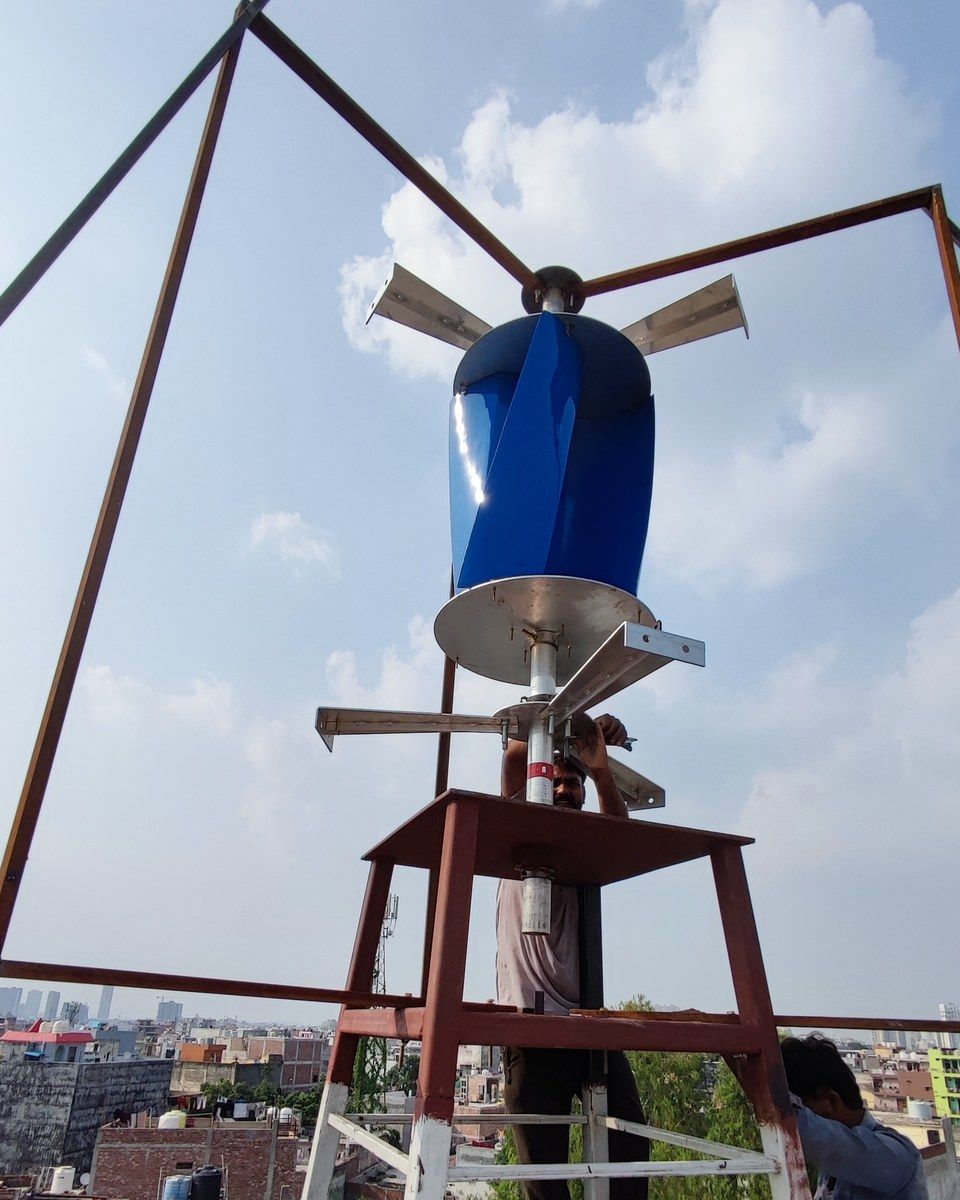
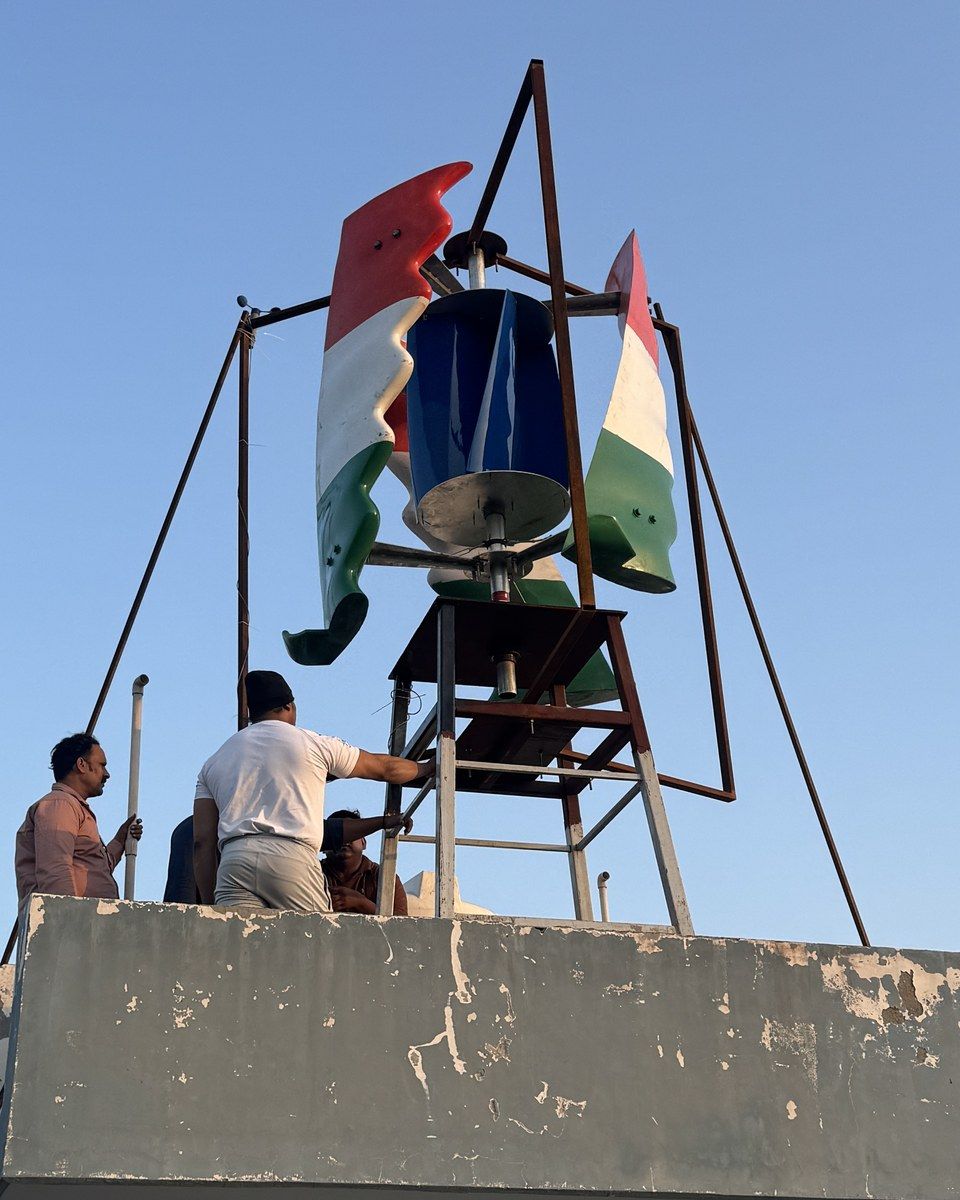
From the first rooftop

RECOGNITION · SEPTEMBER 2026
Awarded an Emergent Ventures grant.
Support for GIVARA’s work on urban wind, from the Mercatus Center at George Mason University. We’re grateful for their belief in what we’re building.
THE ENGINEERING
Urban wind needs its own engineering.
Wind can complement solar and contribute beyond daylight where measured site conditions support it.
GIVARA ONE combines an inner rotor that assists starting and channels airflow with an outer rotor designed to capture lift once moving. Its blade and deflector geometry is designed to reduce returning resistance.
The wider system includes a matched generator and storm-braking protection, both in development, and connected monitoring through GIVARA Care, which is built and under testing.
THE BUSINESS
A business built around electricity delivered.
Under the planned service, GIVARA owns, installs, insures and maintains the machines. Customers pay for meter-verified electricity.
Each viable site can create an ongoing customer relationship. Operating data is intended to improve siting, maintenance and subsequent machine development.
Explore the engineering and filing record. Two registered designs · four filed applications
- Outer rotor · provisional202611036144
- Outer rotor · Registered design495599-001
- Inner rotor · provisional202611075249
- Inner rotor · design505686-001
- Concentric assembly · provisional202611083806
- Concentric assembly · Registered design507984-001
Two designs are registered. The three patent applications and one design application are filed, not granted.
OUR 2031 AMBITION
One lakh Indian rooftops by 2031.
Clean electricity. Skilled work. Local enterprise.
India is our proving ground. Export ambitions are additional to this domestic goal.
Growth at that scale would create opportunity in three connected ways:
Skilled employment: expanding engineering, manufacturing, training and operating teams, alongside local installation and maintenance work.
Local business ownership: Territory Partners building businesses around deployment and service, employing their own teams with training from GIVARA.
Productive micro-enterprises: clean electricity contributing to charging, refrigeration and ice-making at viable shared sites—helping entrepreneurs serve customers, earn and employ others.
The route is to prove the operating method in an initial cluster, then repeat it through trained local teams while expanding manufacturing and service capacity.
EXECUTION
A beginning you can already see.
First physical rotation on the bench.
Generator-connected run recorded.
Emergent Ventures grant awarded, supporting development of small urban wind turbines.
THE INVITATION
Help build what comes after the first machine.
We’re working toward a future of productive rooftops, skilled local teams and new enterprise.
If you see the scale of that possibility—and want to help turn it into a repeatable business—we’d be glad to talk.
Start an investor conversation